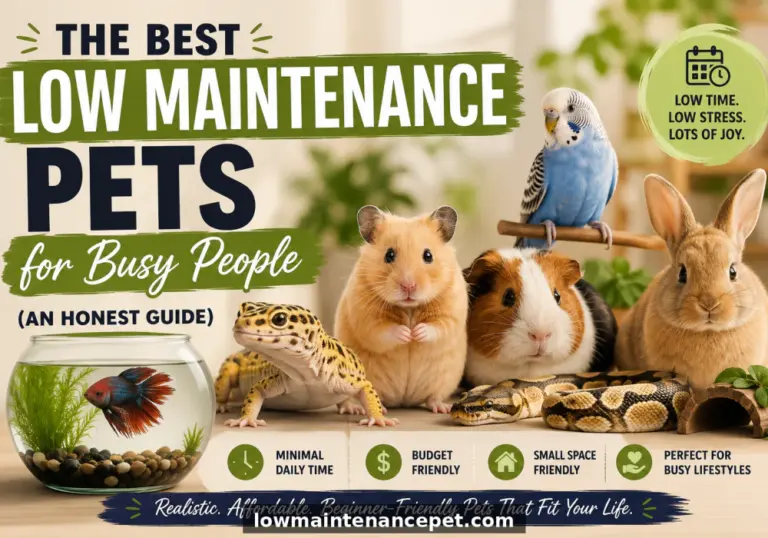
“Every child wants a pet. But the right pet depends on the child’s age, your family’s schedule, and one honest question: who actually ends up caring for this animal day-to-day?”
Before I get into the list, let me tell you where I’m coming from. I didn’t grow up reading pet care books. I grew up in a small village with grandparents who kept cows, horses, donkeys, rabbits, chickens, cats, and dogs: real animals, real responsibility, every day. I learned things you can’t get from a quick Google search.
I’m not a veterinarian. But I’ve seen what happens when families choose the right pet, and what happens when they don’t. This guide covers both.
I researched what parents are actually searching for in 2026 and wrote this article to answer all of their questions directly. You’ll find: the best pets by age, the best pets for kids with ADHD or anxiety, the best cuddly pets, pets that can be left alone for 8 hours, why hamsters, guinea pigs, and bunnies make good pets (and when they don’t), and the honest part that most guides skip entirely.
What Makes a Pet “Easy” for Kids and What That Really Means
“Easy” is relative. A betta fish is easy, but not if your 4-year-old tries to hold it. A hamster is easy, but not if you buy a cage that’s too small and the animal spends its life stressed and biting.
For a pet to genuinely be easy for a child, three things need to line up:
- The animal’s care matches what the child can actually do at their age, not what they promise they’ll do.
- Set it up correctly from the start so daily care stays simple.
- The parent is honest with themselves about being the backup plan; always.
That last one is the most important thing in this entire guide. No matter how responsible your child is, they’ll forget some days. The pet’s life cannot depend on a child’s fluctuating motivation. Before you bring any animal home, ask yourself: “If my child stops caring tomorrow, am I willing to take this over?” If the answer is no, wait until it’s yes.
According to Dr. Laurie Hess, DVM (Veterinary Center for Birds and Exotics, New York), one of the most common mistakes families make is getting a pet before understanding what care actually involves day-to-day. “You have to be educated,” she told PetMD. “People get frustrated and very disappointed in these animals because the experience isn’t what they expected.”
Research from the Human Animal Bond Research Institute (HABRI) confirms that when the match is right, pet ownership has real developmental benefits for children — including improved self-esteem, reduced loneliness, greater empathy, and better social skills. The key phrase is “when the match is right.”
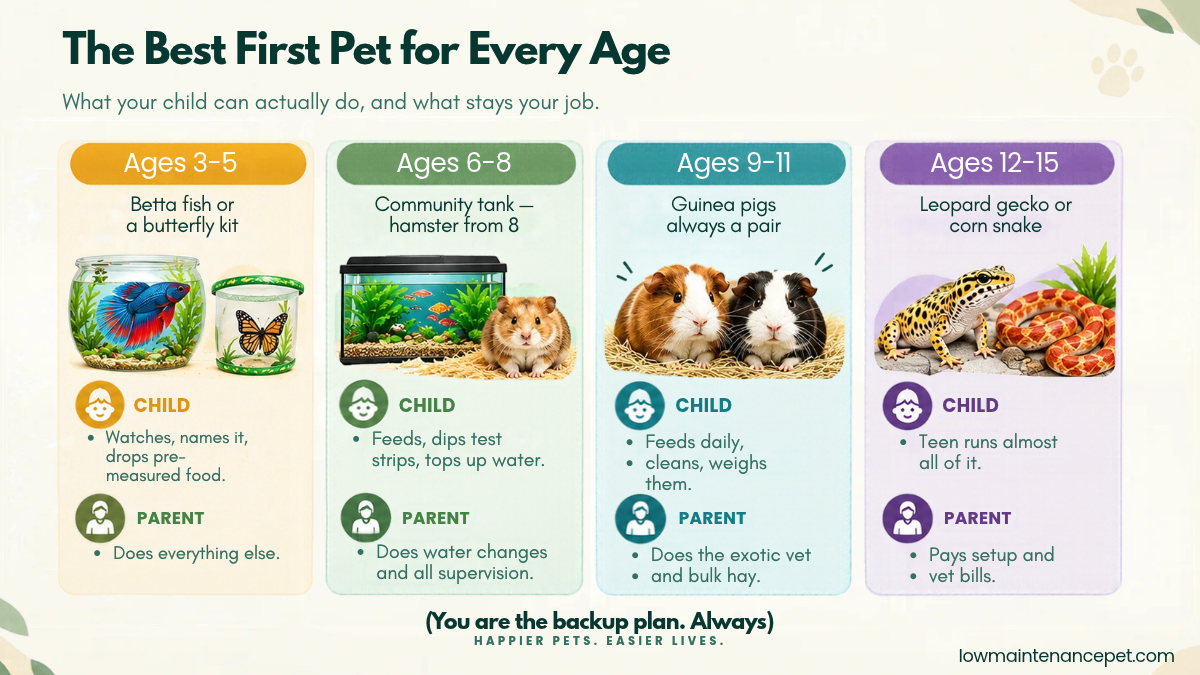
Ages 3–5: “I Want to Touch It!”
Children ages 3–5 love animals. They will want to squeeze them, carry them, wake them up, and be involved in every moment of care. The challenge is that impulse control, fine motor skills, and understanding of “gentle” are still developing at this age.
The safest pets at this stage are ones that can’t be hurt by unpredictable little hands, which means the best options are observational or short-commitment pets.
1-Betta Fish — Top Pick, Ages 3+
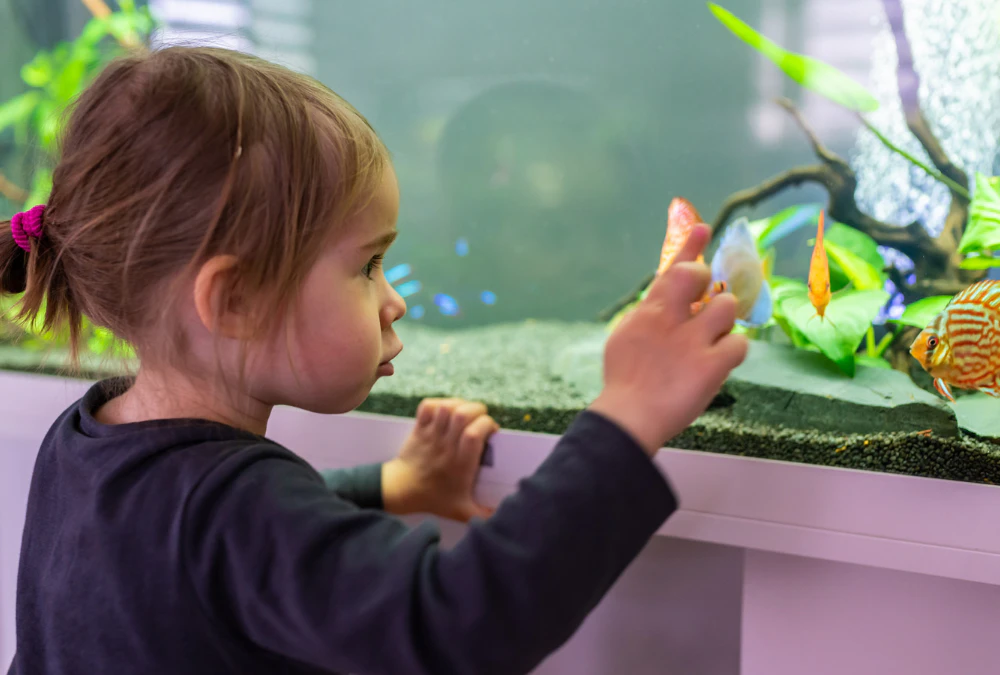
A betta fish in a proper 5–10 gallon filtered tank is consistently recommended by vets as one of the best first pets for young children. Healthline (updated March 2026, reviewed by Dr. Vincent Tavella, DVM) notes that fish offer health benefits that “may be helpful for children, such as for anxiety and mental health.”
A 2022 randomized controlled study published in the Journal of Pediatric Nursing found that the presence of goldfish reduced anxiety and fear in hospitalized children; even brief, passive observation made a measurable difference.
What a 3–5-year-old can do:
- Watch and name the fish
- Drop a pre-measured pinch of food into the tank with supervision
What parents still handle:
- All water changes and water testing
- Filter maintenance and temperature monitoring
| Monthly cost | $7–23 |
| Setup cost | $80–250 (tank + heater + filter + lid) |
| Lifespan | 2–5 years |
Tip: Pre-measure the daily food into a small container and hand that to your child. They get real ownership of a real task at exactly the level they can handle.
2-Butterfly / Caterpillar Kit — Ages 3+
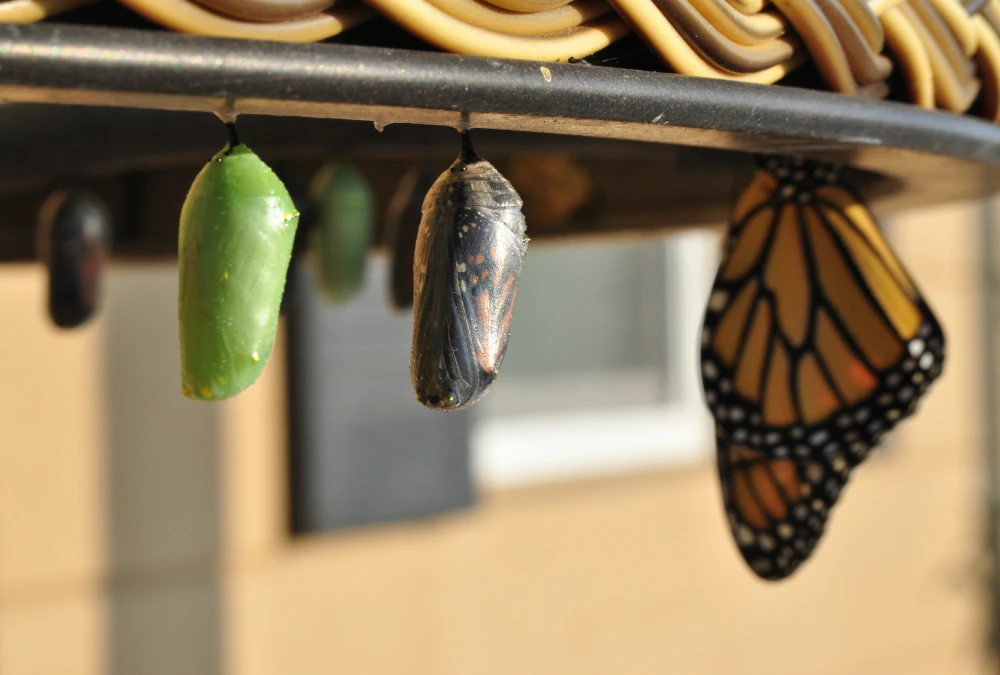
Often overlooked, a caterpillar-to-butterfly kit ($25–40, widely available online) is one of the most developmentally valuable first “pets” for this age group. Children watch the full life cycle — egg, caterpillar, chrysalis, butterfly — then release the butterfly at the end. There’s nothing to clean, no long-term commitment, and the developmental payoff is enormous: children learn that living things change, grow, and need care even in just a few weeks.
This is a teaching tool as much as a pet. Many early childhood educators recommend it specifically because it gives toddlers a complete, low-stakes arc of responsibility. Try it before committing to anything longer-term.
Avoid at this age: hamsters, gerbils, any reptile, and birds. The American Academy of Pediatrics (AAP) advises against reptiles for children under 5 specifically due to Salmonella transmission risk. Small mammals like hamsters and gerbils stress badly under unpredictable handling and can bite when frightened — not because they’re mean, but because a 4-year-old’s grip is genuinely terrifying to a small rodent.
Ages 6–8: First Real Responsibility
At ages 6–8, children can follow a simple daily routine, remember tasks when prompted, and begin to handle small animals carefully with practice. This is when hands-on pet care becomes genuinely possible, with consistent parental backup still in place.
One honest distinction inside this band: at 6–7, your child can help — with your hands on theirs. By 8, many children can genuinely own a simple daily routine. That one-year gap matters more than it sounds, and it’s why the hamster below is labelled 8+.
1-Syrian Hamster — Top Pick, Ages 8+ (supervised help at 6–7)
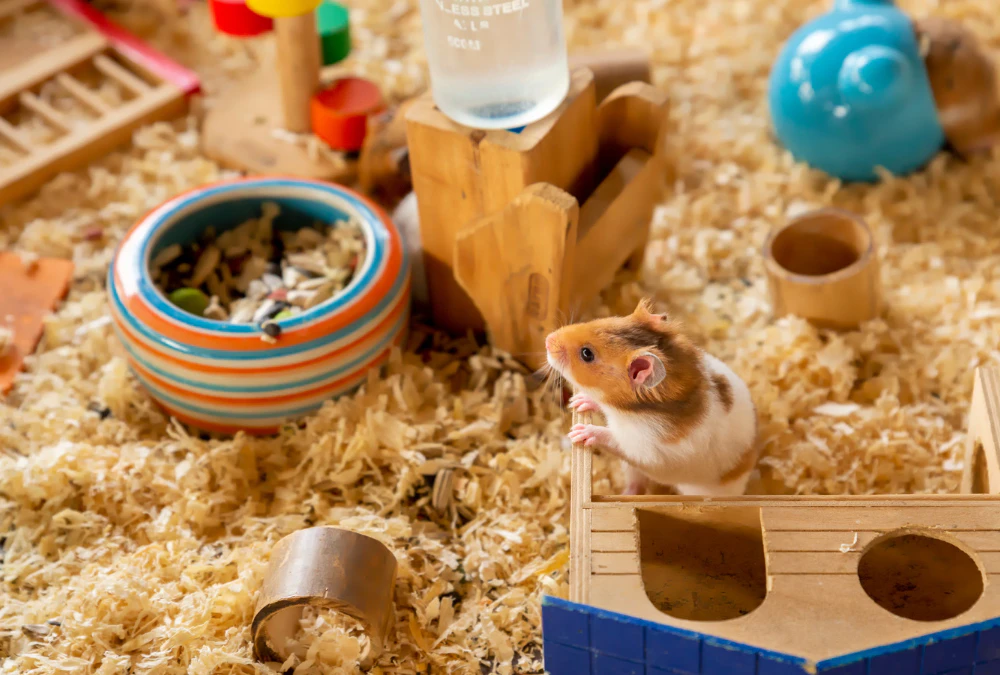
Syrian hamsters are the most widely vet-recommended first hands-on pet for this age group. They’re large enough to hold without accidentally hurting, calmer than dwarf hamsters, and their care routine is simple enough for an 8-year-old to genuinely own.
A six-year-old can help with a hamster; they can’t own one. If you do it at six, accept that the evening schedule and the handling supervision are yours. Hamsters are nocturnal, easily startled, and live two to three years — which is a lot for a six-year-old to absorb.
Dr. Laurie Hess, DVM, specifically recommends hamsters as a good starting point for children who want a small mammal they can interact with. Chewy’s Syrian Hamster Care Sheet (reviewed by Ivan Alfonso, DVM, March 2026) confirms they’re well-suited to first-time child owners when set up correctly.
Important things to explain to kids this age:
- Hamsters are nocturnal. They sleep all day and wake up in the evening. A child who expects a hamster to be playful at 3 pm will be repeatedly disappointed. Set this expectation clearly before the animal comes home.
- Syrian hamsters must live alone. They will fight to cause serious injury if housed together. One hamster per cage, always — this is non-negotiable per the American Humane Society and multiple vet sources.
- They need space. A minimum of 450 square inches of unbroken floor space, for example, 30″ × 15″, with a solid-surface wheel 10–12 inches across (no mesh) and 6+ inches of bedding for burrowing. The current welfare standard used by veterinarians is 100 × 50 cm, about 775 sq in. A small pet store cage is the fastest way to get a stressed, biting hamster.
What an 8-year-old can do:
- Fill the food bowl daily
- Refresh the water bottle
- Spot-clean bedding corners
- Handle with supervision
What parents still handle:
- Full deep-clean every 2–3 weeks
- Buying food and bedding
- Vet visits if needed
| Monthly cost | $15–30 |
| Setup cost | $100–250 |
| Lifespan | 2–3 years |
Tip: Put a simple checklist on the fridge: “feed hamster ✓ / check water ✓ / scoop corners ✓.” Let your child cross each one off. That physical act of ticking a box matters enormously to 6–8 year olds — it makes the routine theirs.
2-Community Fish Tank; Guppies or Neon Tetras, Ages 6+
If your child already has a fish from the previous stage, ages 6–8 is when they can start taking on more actual maintenance. A 10-gallon community tank with guppies or neon tetras adds the color and movement that keeps older kids engaged. Children this age can learn to read water test strips, turning fish care into a genuine science lesson.
What a 6–8-year-old can do:
- Daily feeding (measured portion)
- Dipping water test strips and reporting results
- Topping up evaporated water
What parents still handle:
- Weekly 25% water changes
- Adding a water conditioner
- Filter maintenance and any health issues
| Monthly cost | $15–30 |
| Setup cost | $100–200 |
The most common mistake at this age: buying a hamster for a 6-year-old and being surprised when they lose interest after two weeks. This is completely normal child development — not a character flaw. Before getting any pet for this age group, have a direct, honest conversation: “When the new-toy feeling wears off, you still feed it every single day. That’s the job.” Make sure they understand — and that you’re genuinely prepared to take over feeding when needed.
Ages 9–11: Independent Caretakers
Children aged 9–11 can manage consistent routines without daily prompting, understand cause and effect in animal care (“if I don’t clean the cage, my guinea pig gets sick”), and handle a wider range of animals calmly and confidently. This is the age where genuine pet ownership starts to become real.
1-Guinea Pigs: A Pair, Top Pick, Ages 8+
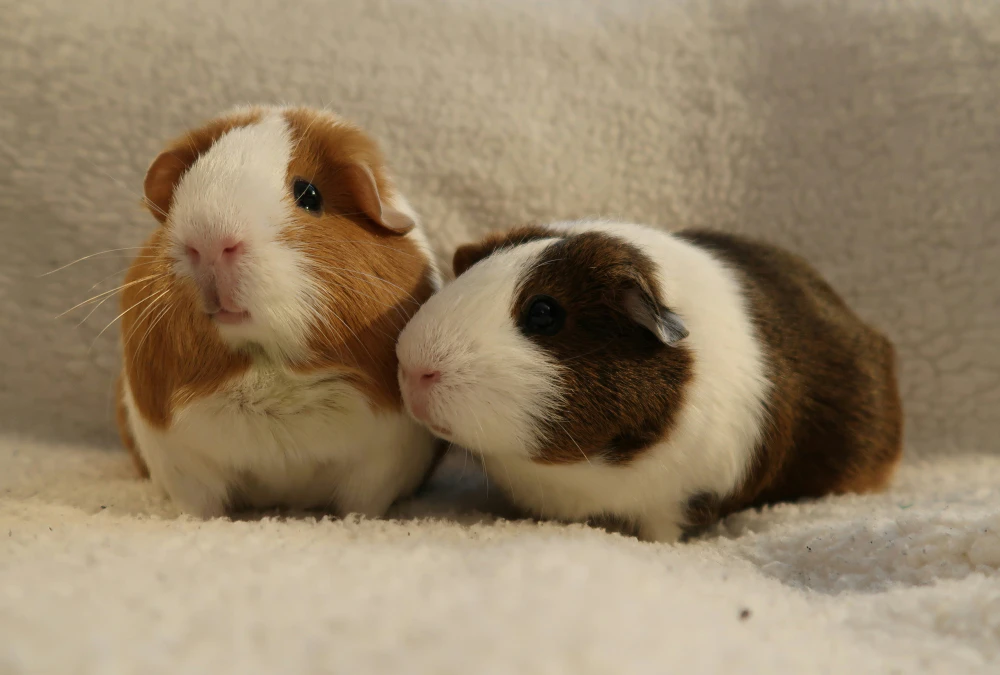
Guinea pigs are consistently ranked by vets as one of the best pets for families with children in this age range. Dr. Aimee Warner, DVM (Waggel), calls them one of the most family-friendly small mammals available. Here’s why they stand out over hamsters for this age group: they’re active during the day. A 10-year-old home from school can actually interact with their guinea pigs. They squeak (a distinctive high-pitched call), purr when content, and chatter when excited.
Always get two, same sex, from the same source. Guinea pigs are herd animals and get genuinely depressed alone. Two guinea pigs keep each other company during school hours and are noticeably happier and more active than single guinea pigs. According to Dr. Amanda Steinagel, DVM, DABVP (Exotic Companion Mammals), this is a foundational welfare requirement, not optional.
Critical care note — Vitamin C: Guinea pigs cannot synthesize Vitamin C, unlike almost every other animal. They need it daily through fresh vegetables (red bell pepper is one of the best sources) or a supplement. Deficiency causes scurvy, which affects joints, healing, and skin. This cannot be skipped even on busy days.
What a 9–11-year-old can do:
- All daily feeding (hay + pellets + vegetables)
- Fresh water checks
- Spot-cleaning the cage daily
- Full weekly cage clean with guidance
- Handling and lap time
- Tracking weight weekly
What parents still handle:
- Buying hay and food in bulk
- Exotic vet visits (they require an exotic animal vet, not a standard cat/dog clinic)
- Vitamin C supplementation oversight
| Monthly cost | $40–80 per pair |
| Setup cost | $200–400 |
| Lifespan | 5–7 years |
2- Budgies / Parakeets: A Pair, Ages 9-11
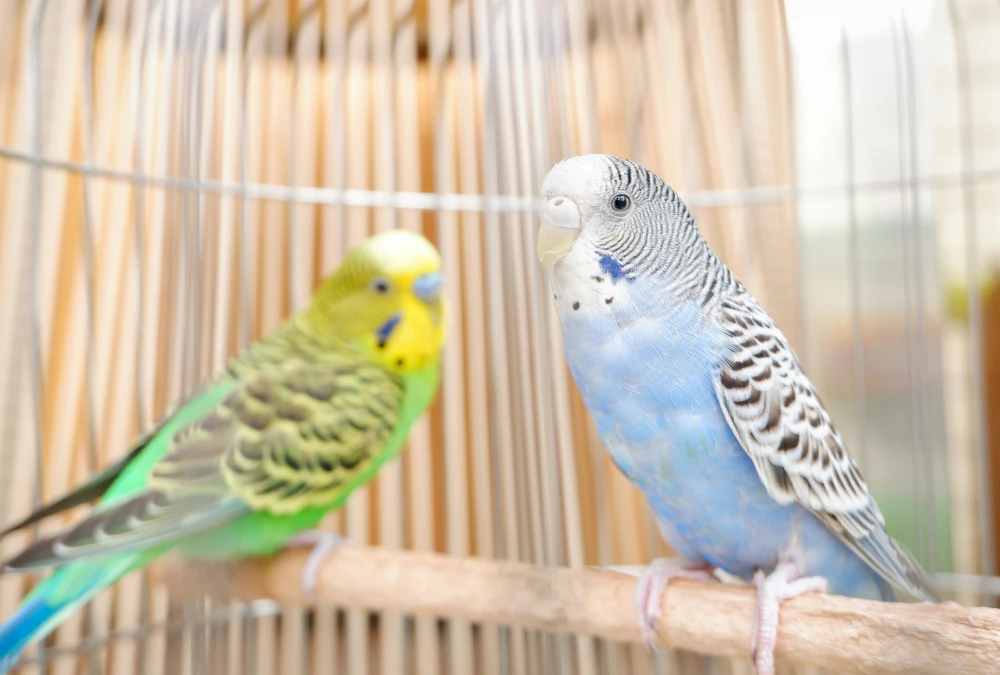
Budgies are genuinely underrated for this age group. A hand-tamed budgie will talk, whistle, and interact with you. What makes them especially good for 9–11-year-olds is that they can be trained to step up, recall, and perform basic tricks, which creates a dynamic relationship that grows with the child. The training process teaches patience and consistency in a way that resonates strongly at this age.
Get two, for the same reason as guinea pigs: a single budgie alone all day while the child is at school becomes lonely and sometimes develops repetitive behaviors.
What a 9–11-year-old can do:
- All daily feeding (fresh food + water)
- Weekly full cage clean
- Daily out-of-cage supervised time
- Training sessions
What parents still handle:
- Annual avian vet exam
- Household safety checks (see below)
Critical household safety: Non-stick (PTFE/Teflon) cookware releases fumes when overheated that can kill birds very quickly. Scented candles, aerosol sprays, and certain cleaning product fumes are also dangerous. Before getting birds, check your kitchen equipment and make sure every adult in the household is aware. This is one of the most common causes of sudden, unexpected budgie death.
| Monthly cost | $30–55 per pair |
| Setup cost | $150–300 |
| Lifespan | 7–15 years |
Ages 12–15: Real Pet Ownership
Teenagers can genuinely own and be responsible for a pet. They can research care requirements, follow multi-step routines, recognize health warning signs, and be a real advocate for an animal’s needs. This opens up a wider range of pets that require more specialized setups but offer a deeply rewarding experience.
1-Leopard Gecko: Top Pick for Teens, Ages 12+
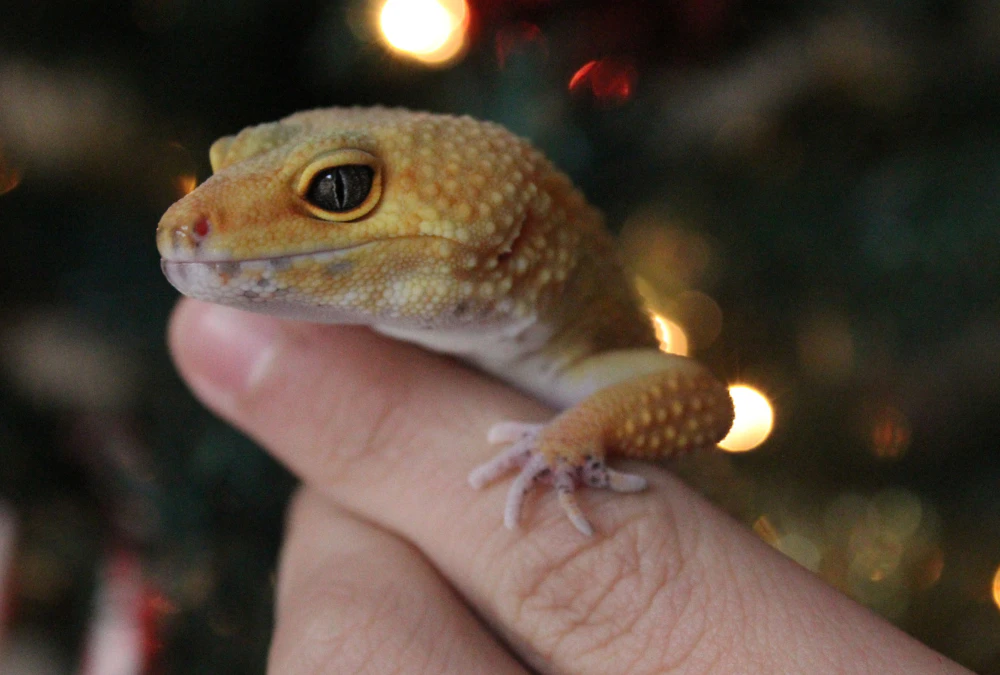
Leopard geckos are the most widely vet-recommended first reptile for teenagers. Dr. Elizabeth Mackey, DVM (Mackey Exotic Animal Clinic), describes them as one of the most manageable exotic pets for young people who are genuinely prepared to research care requirements. They’re docile, slow-moving, rarely bite, and tolerate handling well once acclimatized. Their 15–20-year lifespan means this is a companion that can genuinely grow up alongside your teenager.
Updated care note on UVB lighting: Older guides stated that leopard geckos don’t need UVB at all. The current expert consensus is more nuanced. Most reptile vets now recommend a low-level UVB lamp (2–5% range) as best practice for long-term bone health and natural vitamin D3 synthesis — even though they can survive without it using dietary D3 supplements. See The Vet Desk (vet-approved, 2025) and Reptile Centre (2025) for the updated guidance. A basic 5.0 UVB bulb costs $15–25 and lasts 6–12 months.
What a teen can do:
- All daily feeding and water
- Temperature monitoring (warm side 88–92°F / cool side 70–75°F)
- Spot-cleaning and monthly deep cleaning
- Calcium dusting on feeders every other feed
- Researching and recognizing shedding problems and health signs
What parents still handle:
- Initial setup cost ($160–300)
- Exotic vet bills and emergencies
| Monthly cost | $30–60 |
| Setup cost | $160–300 |
| Lifespan | 15–20 years |
2-Rabbits: Ages 12+ (Patient Child)
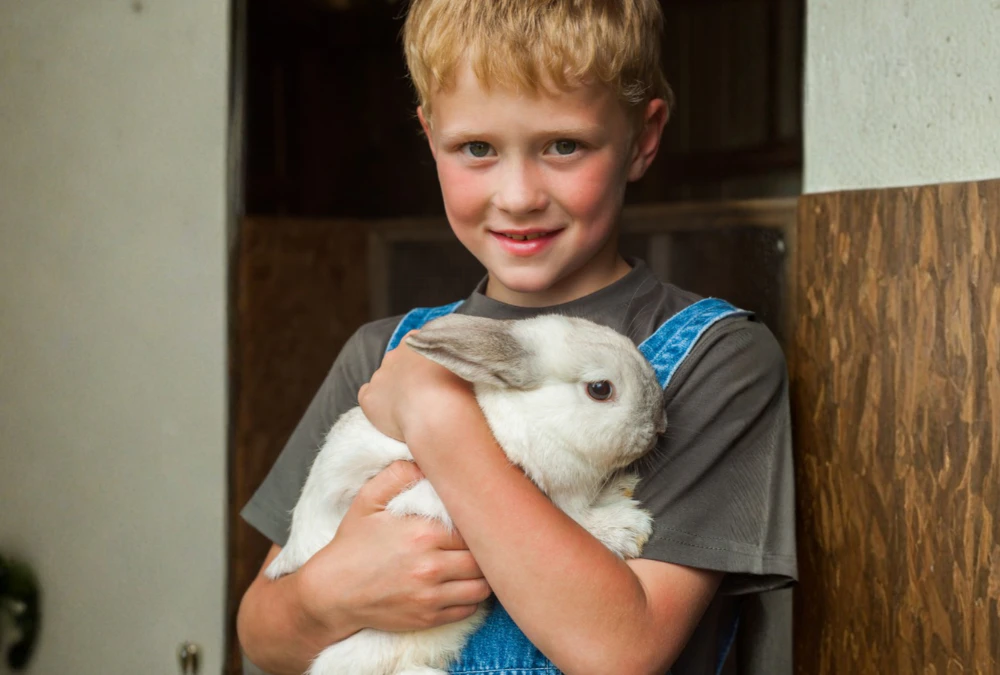
Rabbits are social, intelligent, and bond with their owners in a way that’s closer to a cat than most people expect. A rabbit that trusts you will seek you out, flop down beside you on the couch, and respond to their name. They can be litter-trained. Their diet is simple but non-negotiable: unlimited hay (80–90% of diet, keeps teeth worn and gut moving), fresh leafy greens daily, and a small amount of pellets.
GI stasis is a medical emergency: If a rabbit stops eating or producing droppings for 12+ hours, it requires immediate vet attention. GI stasis can be fatal within hours. Know your exotic vet’s emergency contact before this ever happens.
Be honest about cost: Rabbits live 8–12 years. Spay or neuter surgery runs $150–500 and is strongly recommended. Annual vet costs typically run $800–1,400 per year including routine care, according to AskAVet’s vet-approved 2025 guide.
| Monthly cost | $60–100 |
| Setup cost | $300–600 |
| Lifespan | 8–12 years |
Best Pets for Kids with ADHD or Anxiety
This is one of the most-searched questions parents have, and research supports the answer.
CHADD (Children and Adults with Attention-Deficit/Hyperactivity Disorder) notes that for a child with ADHD, having a pet may support self-regulation and prosocial skills. When a child cares for an animal, they often need to control their impulses, lower their voice, and move slowly, which is itself a form of behavioral practice.
HABRI research found that the mere presence of a family pet during childhood can increase emotional expression and control in children, and that even brief interactions with animals lower cortisol (stress hormone) levels. Oxytocin levels increase in the presence of a pet, which stimulates social interaction and has an anxiety-reducing effect.
1-Fish: Best for high-anxiety children or kids who need calming sensory input
Fish tanks have documented stress-reduction effects. A 2022 randomized controlled study found that fish reduced anxiety and fear even in hospitalized children. For a child whose anxiety makes interacting with animals stressful, a fish is a low-pressure way to experience the benefits of pet ownership.
2-Guinea Pigs: Best for children with ADHD who benefit from a structured routine
Guinea pigs require a clear, predictable daily routine, which is exactly the type of consistent structure that benefits children with ADHD. They’re also active during the day, giving children with ADHD an interactive outlet after school. HABRI’s research specifically found that guinea pigs were a “feasible, positive addition to the primary classroom to improve social functioning.”
3-Hamsters: Better suited for anxious children than ADHD
The low-intensity care routine and the hamster’s evening schedule suit children who get easily overstimulated. However, because hamsters are small and fast when not yet tamed, they can frustrate children who struggle with impulse control.
4-Dogs: Powerful, but require the whole family’s commitment
One small study found that kids with ADHD did better in therapy when a therapy dog was present. But dogs are never low-maintenance. For ADHD children, dogs should be tolerant, gentle, and trainable. Labrador Retrievers, Golden Retrievers, and Poodles are commonly recommended. Avoid small, fragile breeds that may react defensively to enthusiastic handling.
Key principle: Match the pet’s energy to the child’s needs. A high-energy child benefits from an interactive animal (guinea pig, dog). A child who needs to calm down benefits from a low-stimulation animal (fish, hamster, leopard gecko). The routine of care — not the species — is often the most therapeutic part.
Best Cuddly Pets for Kids
If your child’s top priority is an animal they can hold, snuggle, and bond with physically, here’s the honest ranking:
- 1-Guinea Pigs: The most cuddly small pet. Once a guinea pig trusts you, they’ll sit calmly on a lap for extended periods, making small contented sounds. They’re warm, round, and soft, and they’re awake during the day when your child is home. For pure cuddle factor among small pets, they’re the top choice.
- 2-Rabbits: The most dog-like small pet. A bonded rabbit will flop beside you, groom you, and seek out your company. Many rabbits actively enjoy being held once they trust their owner. They require a patient, calm child and careful handling technique; rabbits can injure themselves if they kick while being held incorrectly.
- 3-Syrian Hamster: Best for younger children wanting to hold something. Hamsters are warm and small, and many tame well with patience. Evening handling sessions (when the hamster is naturally awake) work much better than forcing interaction during the day.
- 4-Pet Rats: Pet rats are highly social, intelligent, and genuinely enjoy being handled. The RightPet Pet Ownership Study (2010–2018) found that kids ages 10–17 enjoyed owning rats more than cats or dogs. They rarely bite, can learn tricks, and bond strongly with their owners. They do best in same-sex pairs and live only 2–3 years. If you can get past the stigma, rats are an excellent, underrated, cuddly pet for children aged 9 and older.
Best Pets That Can Be Left Alone for 8 Hours
This question comes up constantly from working parents. Here’s the honest ranking:
1-Can genuinely handle 8+ hours alone
| Fish | No interaction needed. A feeding timer works well. Best for households where no one is home during school/work hours. |
| Leopard Gecko | Feeds every other day as an adult. Doesn’t need human interaction to stay healthy. |
| Syrian Hamster | Sleeps all day anyway. An 8-hour school day is simply the hamster’s sleeping time. |
| Corn Snake | Feeds once every 7–14 days as an adult. One of the best pets for a busy household or occasional travel. |
2-Can handle 8 hours alone, but shouldn’t be a daily solo pattern
| Guinea Pigs | They’re social; they handle a school day fine only if they have each other. Never get just one. |
| Budgies | Two budgies together handle the school day fine. One alone all day will struggle. |
3-Cannot handle 8 hours alone consistently
| Dogs | Need to be let out every 4–6 hours minimum. |
| Rabbits | Can technically manage 8 hours but need unlimited hay access and a clean litter box at all times. |
->If being out of the house all day is your situation, not just your child’s, our guide to [the best low-maintenance pets for busy people][BUSY PEOPLE LINK] goes through this properly.
Why Are These Pets Good for Kids?
1-Why are hamsters good pets for kids?
Hamsters work well for children (ages 8+) for several specific reasons. Their care routine is simple and daily: feeding, watering, and a check, which gives a child a real daily responsibility without being overwhelming. They’re small enough to live in a bedroom and quiet enough not to disturb anyone. Their nocturnal schedule means they’re most active in the evenings when the child is home. Syrian hamsters tame well with patient handling and can become genuinely interactive.
The main caveat: they need a proper, large cage and a solid-surface wheel. A tiny pet store cage produces a stressed, miserable animal, and that experience turns children off animals rather than building their love for them.
2-Why are guinea pigs good pets for kids?
Vets consistently list Guinea pigs as one of the best small pets for children for four reasons: they’re active during the day (unlike hamsters), they’re vocal and expressive (making them emotionally relatable to children), they rarely bite once tamed, and they’re big enough for children to handle confidently.
The bonding experience with a guinea pig is genuinely rewarding; they recognize their owners’ voices, wiggle with excitement when they hear food preparation, and will sit contentedly on a lap once trust is established. HABRI research found guinea pigs beneficial in classroom settings for improving children’s social functioning.
The most important care rule: always get two. A single guinea pig alone is a depressed guinea pig.
2-Why are bunnies good pets for kids?
Rabbits are good pets for older children (ages 12+) who are calm, patient, and genuinely committed. They’re more interactive than most small animals; closer to a cat in terms of personality and bonding; and they can be litter trained. A bonded rabbit will seek out its owner, groom them, and lie next to them.
The challenge is that they’re more complex than most people expect: they need an exotic vet, a hay-based diet (not primarily pellets), and must be spayed or neutered to prevent reproductive cancers. They’re not ideal for young children, who may handle them too roughly. But for a responsible teen, they’re among the most rewarding small pets available.
3-Why are snakes good pets for kids?
For teenagers fascinated by reptiles, corn snakes are excellent: non-venomous, docile, manageable in size (2–5 feet), and genuinely low-maintenance. They eat once every 7–14 days as adults, handle 8+ hours alone without issue, and their setup is straightforward once done correctly. One of the few pets that a teenager can legitimately own and manage almost all care independently.
The barrier is the diet: frozen/thawed mice. If the family is comfortable with that, a corn snake is a highly rewarding pet for a responsible teen. The AAP advises against reptiles for children under 5, but for teenagers, corn snakes are an excellent choice.
What Is the 3-3-3 Rule for Pets?
The 3-3-3 rule is a guideline for newly adopted dogs (and cats) that describes the typical adjustment timeline after coming into a new home. It’s used by shelters, rescue organizations, and veterinarians to help families set realistic expectations.
| Decompression | First 3 days | The animal is overwhelmed. They may be scared, refuse to eat, hide, or behave unpredictably. Give them a quiet, safe space. Don’t force interaction. |
| Learning routine | First 3 weeks | The animal starts to understand the household schedule. Their true personality begins to emerge. Behavior challenges may appear; this is the phase for consistent, gentle training. |
| Fully settled | First 3 months | The animal feels fully secure. They know their routine, their people, and their place. Trust is fully established. |
The ASPCA Pro confirms that this guideline “provides realistic expectations for both pets and owners, supporting a smooth transition into the household and fostering a successful, long-term relationship.”
Does the 3-3-3 rule apply to small pets like hamsters or guinea pigs? The specific numbers don’t directly apply, but the principle does: every new animal needs time to decompress. A new hamster should not be handled for the first 24–48 hours. A new guinea pig may need a week before they’re comfortable being held. Rushing this process makes taming harder and longer, not faster.
Quick Comparison Table:
| Pet | Age | Monthly cost | Daily time | Alone 8 hrs | Cuddly | Good for ADHD / anxiety |
|---|---|---|---|---|---|---|
| Fish (Betta/Community) | 3+ | $7–30 | 2–5 min | ✅ Yes | ❌ Visual only | ✅ Calming |
| Butterfly Kit | 3+ | $25–40 (once) | 5 min | ✅ Yes | ❌ No | ✅ Good intro |
| Syrian Hamster | 6+ | $15–30 | 5–10 min | ✅ Yes (sleeps) | ✅ Medium | ✅ For anxiety |
| Guppies / Tetras | 6+ | $15–30 | 5 min | ✅ Yes | ❌ No | ✅ Calming |
| Rats (pair) | 9+ | $20–40 | 15–20 min | ⚠️ Short-term | ✅ Very cuddly | ✅ Yes |
| Guinea Pigs (pair) | 8+ | $40–80 | 15–20 min | ⚠️ With companion | ✅ Very cuddly | ✅ Routine-based |
| Budgies (pair) | 8+ | $30–55 | 10–15 min | ⚠️ With companion | ✅ Medium | ✅ Medium |
| Leopard Gecko | 12+ | $30–60 | 10 min | ✅ Yes | ✅ Medium | ✅ For focus |
| Rabbit | 12+ | $60–100 | 20–30 min | ⚠️ Needs hay access | ✅ Very cuddly | ⚠️ Moderate |
| Corn Snake | 12+ | $20–46 | 5 min | ✅ Yes | ✅ Medium | ✅ Calm routine |
Monthly costs are the ongoing average for food, bedding, and consumables. Does not include emergency vet visits. All figures in USD.
The Honest Part Every Guide Skips
- You are the backup plan. Always. No matter how clearly you set expectations, there will be weeks when your child loses interest, gets sick, gets busy, or simply forgets. The animal cannot suffer because of that. This isn’t a failure of your parenting — it’s just the reality of raising children. Build your pet choice around this fact, not against it.
- The novelty wears off — plan for it. Dr. Kate Elden, DVM (Chief Medical Officer, Dutch), puts it clearly: “The best pet is one whose care requirements actually match your child’s real-life attention span.” Not their enthusiasm when you’re at the pet store. Their actual attention span at 7 pm on a Tuesday when they’d rather watch YouTube.
- Lifespan matters more than people realize. A leopard gecko can live 20 years. A budgie is 15 years old. A rabbit is 12 years old. A guinea pig is 7 years old. Before you fall in love with something at the store, sit with the question: “Where will we be in 10 years, and can this animal come with us?” If the answer involves a college dorm, a lease that doesn’t allow pets, or a family move abroad, that needs to be part of the decision, not an afterthought.
- Death is part of pet ownership. Hamsters live 2–3 years. A child who gets one at age 8 will almost certainly experience the death of that animal while they still care deeply about it. That grief is real. Some families choose short-lived pets precisely because they believe the first experience of animal death is important to navigate while the child is young, and the parent can help them through it. Others choose longer-lived animals to avoid it. Both approaches are valid. Know which one you’re choosing and why.
- Vet costs are real, even for “small” pets. Hamsters get a wet tail. Geckos develop metabolic bone disease. Guinea pigs get GI stasis. Rabbits have dental disease. Every animal can get sick, and exotic animal vets cost more than standard dog/cat clinics. Keep a dedicated pet emergency fund — at minimum $200–300 for small pets, $500+ for rabbits and guinea pigs- before you bring any animal home.
Conclusion
There is no universally perfect pet for kids. There’s only the right match: the right animal for this child, at this age, in this home, with this level of family backup.
- For a toddler or preschooler: a betta fish or butterfly kit; genuinely engaging, genuinely age-appropriate, and genuinely safe.
- For a 6–7-year-old who wants to hold something: wait a year, or start with the butterfly kit and a fish. The handling can wait; the enthusiasm won’t.
- For an 8-year-old who wants to hold something: a Syrian hamster, set up in a proper, large cage with a solid wheel, introduced in the evenings when they’re naturally awake.
- For a 9–11-year-old who wants a real companion: a pair of guinea pigs; active during the day, vocal, social, and rewarding for a child who’s ready for real daily responsibility.
- For a teenager who wants a genuinely independent pet: a leopard gecko or corn snake; manageable, long-lived, and fascinating animals.
For any child, at any age, the most important thing you can bring home alongside the pet is honest expectations: about what the care actually involves, about who the backup plan is, and about what it means to be responsible for a living thing. That’s the part no pet store will tell you. But it’s the part that makes the whole experience actually work.
Questions Parents Actually Ask
What is a good first pet for a 7-year-old?
What is a good pet for a 4-year-old?
What animal is good for ADHD?
Do pets help with ADHD?
What is the cheapest pet to own?
What is a cuddly pet for kids?
What pet can be left alone for 8 hours?
What is the 3-3-3 rule for pets?
What are good pets for kids with allergies?
Where can I find beginner-friendly pets for children?
Hamsters: Most pet stores carry them — look for stores with clean, appropriately-sized enclosures.
Reptiles: Buy from a reputable breeder whenever possible. Captive-bred leopard geckos and corn snakes are healthier and more acclimatized to handling.
Fish: A dedicated aquarium shop (not a big box store) will give you honest setup advice.