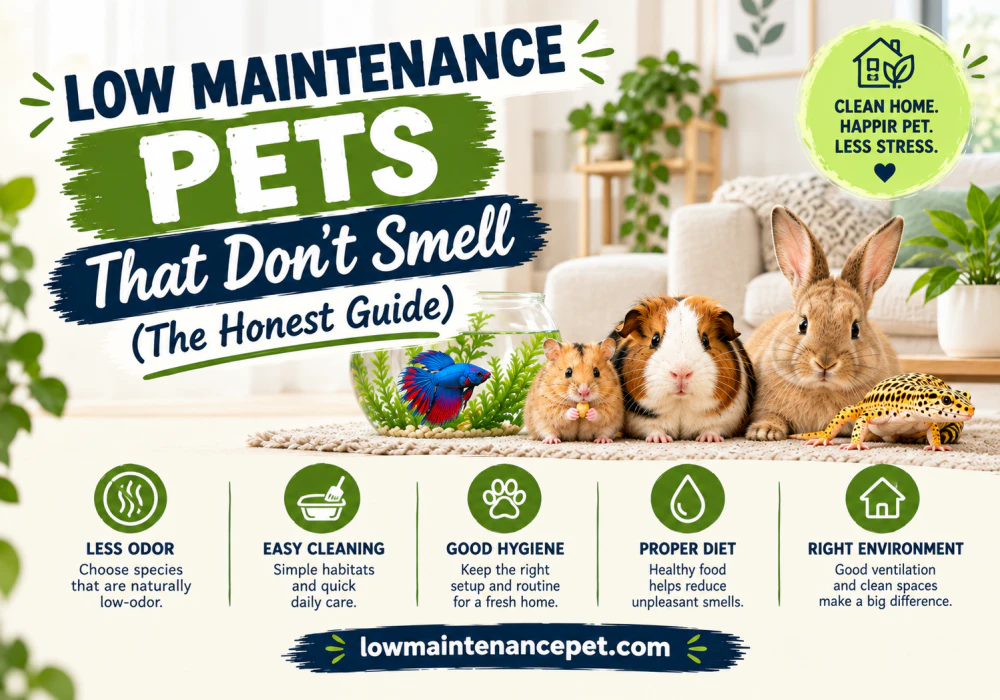
A Short answer before starting: the four pets that genuinely don’t smell are fish, leopard geckos, corn snakes, and chinchillas — none of them produce body odor, and with the right cleaning routine, their enclosures stay neutral too. Guinea pigs and budgies are close seconds if you keep on top of the tray. Ferrets, hedgehogs, and rats are commonly recommended as “low odor” and aren’t.
“I want a pet, but I live in a small apartment and I can’t have it smelling. My partner/roommate/landlord will never forgive me.” Sound familiar? This guide is for you.
I’m not going to tell you that every animal on this list is completely odorless. That would be a lie, and you deserve better than that.
Here’s the truth about pets and smell: no living animal is truly odor-free. Every animal produces waste, and waste has a smell. What separates a pet that “doesn’t smell” from one that stinks up your apartment isn’t the species; it’s the combination of the right animal, the right setup, and the right cleaning routine. Get all three right, and most people walking into your home will have no idea you have a pet at all.
I grew up in a small village with grandparents who kept cows, horses, donkeys, rabbits, chickens, cats, and dogs. I know the full spectrum, from animals that smell like nothing to animals that clear a room. That experience, combined with current veterinary research, is what this guide is built on.
This article covers the best low-smell pets for busy people , what actually causes pet odor (so you can prevent it), which pets have been misrepresented as odorless when they’re not, and an honest tier list to help you pick the right one for your home.
The Truth About Pet Odor: What Actually Causes It
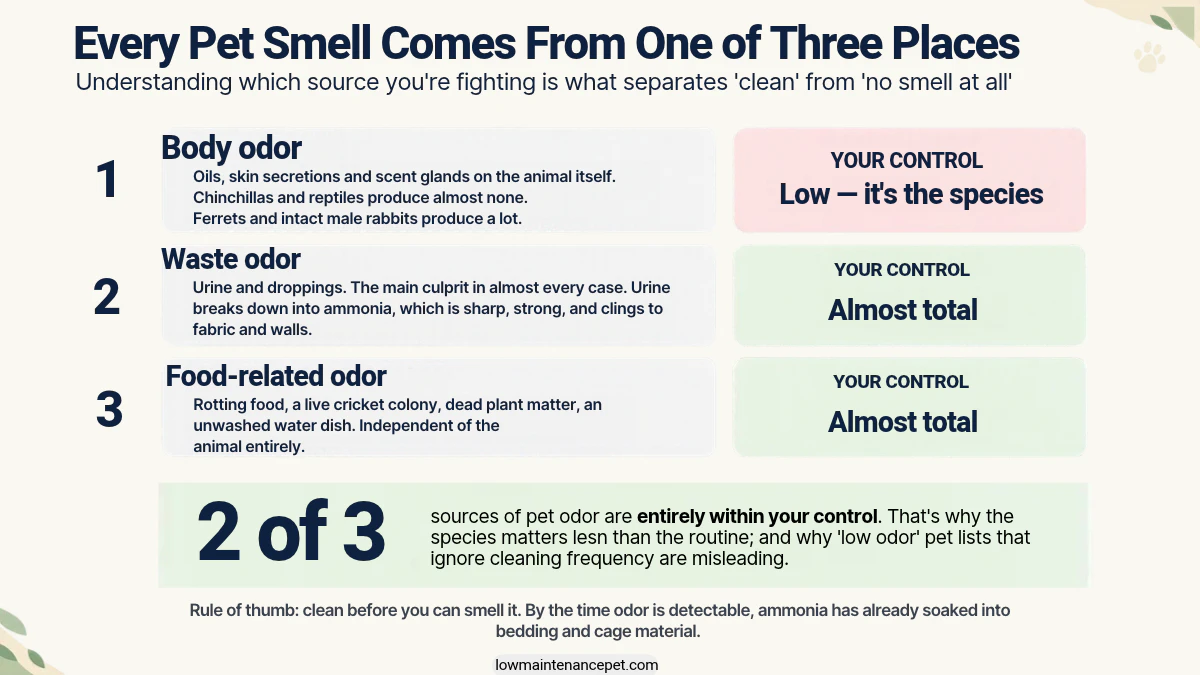
Before picking an animal, it helps to understand where a pet’s smell actually comes from. There are three sources:
1. Body odor: oils, skin secretions, and scent glands on the animal itself. Some species have almost none of this. Others (ferrets, intact male rabbits, certain dog breeds) produce a lot.
2. Waste odor: urine and feces. This is the main culprit in most cases. Even animals with no body odor can create a serious odor if their enclosure isn’t cleaned regularly. Urine in particular breaks down into ammonia, which is sharp, strong, and lingers in fabric and walls.
3. Food-related odor: Rotting food, live feeder insects, or certain diets can cause a smell in or around the enclosure independent of the animal.
The good news: sources 2 and 3 are almost entirely within your control. The animals on this list are chosen because they have minimal body odor (source 1) and because their waste and food situations are manageable with reasonable effort.
No animal is truly odor-free. What changes is how much smell their waste and enclosure produce, and how well you manage it. The animals in Tier 1 of this guide are as close to that standard as you’ll find
Tier 1: Genuinely Very Low Odor
These pets have minimal body odor, manageable waste, and, with basic regular care, should not noticeably affect how your home smells.
1-Fish (Betta or Community Tank)
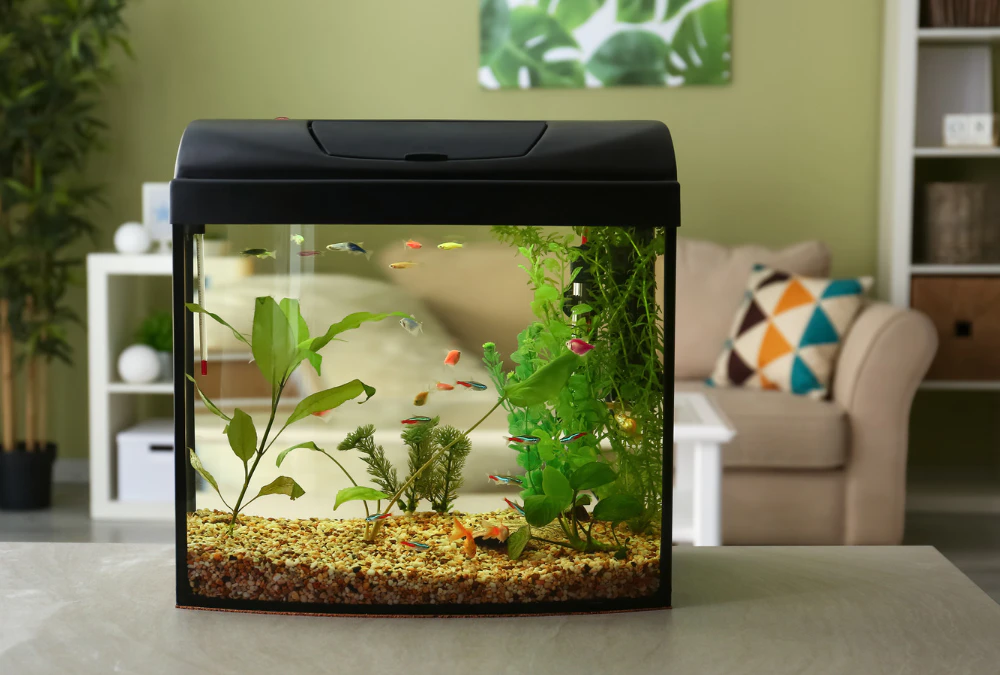
Fish are the gold standard for odorless pets. The fish themselves produce no body odor that a human nose can detect at a distance. A properly maintained aquarium has a very faint, natural, slightly earthy smell when you put your nose directly near the water, something like a clean pond. In a room, you will not notice it.
The important qualifier: a properly maintained aquarium. A neglected tank is a different story. Overfeeding causes uneaten food to decompose and release ammonia. A dirty filter breeds bacteria. Dead plants rot. Any of these will make a tank smell genuinely bad. The most common cause of a smelly fish tank is overfeeding. When bettas are overfed, leftover uneaten food decomposes and releases ammonia into the water. The fix is simple: feed small measured amounts once daily, do a 25% water change weekly, keep the filter clean, and remove dead plant matter promptly.
A well-kept betta tank or community tank will not smell. For people who are highly sensitive to odors or who live in very small spaces , this is the right first choice.
Odor rating: ★★★★★ (virtually odorless with proper care)
Odor prevention tip: Invest in a quality filter rated for a larger tank than you have. A filter rated for 10 gallons on a 5-gallon tank runs much cleaner than one just meeting the minimum. This single choice eliminates most fish tank odor problems before they start.
2-Leopard Gecko
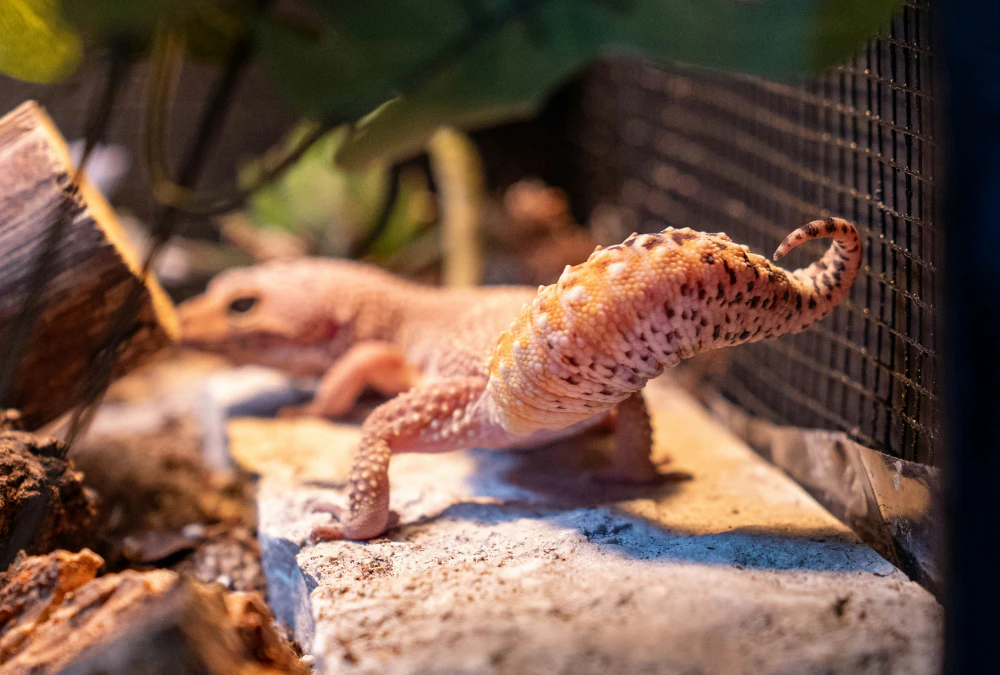
One of the most reported appealing traits of keeping a leopard gecko is that they are practically free from foul odors (PangoVet, vet-reviewed). The animal itself has minimal body odor. Leopard geckos are actually very clean pets and do not smell. They tend to poop in the same area to keep their home clean. This consistent toileting behavior makes spot cleaning very easy.
The nuance: while leopard geckos don’t smell, their fecal matter does. If you don’t clean their tank carefully, you might find yourself dealing with remnant odors. Spot-clean the enclosure every 1–2 days, do a full deep clean monthly, and you’ll have no detectable smell in your living space (Leopard Gecko Habitat). Even if their enclosure does start to have a little bit of an odor, it does not make the entire room smell; the smell is contained to the interior of the tank when the lid is on.
Odor rating: ★★★★★ (odorless animal; enclosure needs regular spot-cleaning)
Odor prevention tip: Leopard geckos almost always pick the same corner of their enclosure to defecate. Once you identify their chosen spot, put a small tile or paper towel there; it makes daily spot-cleaning a 60-second task.
3-Corn Snake
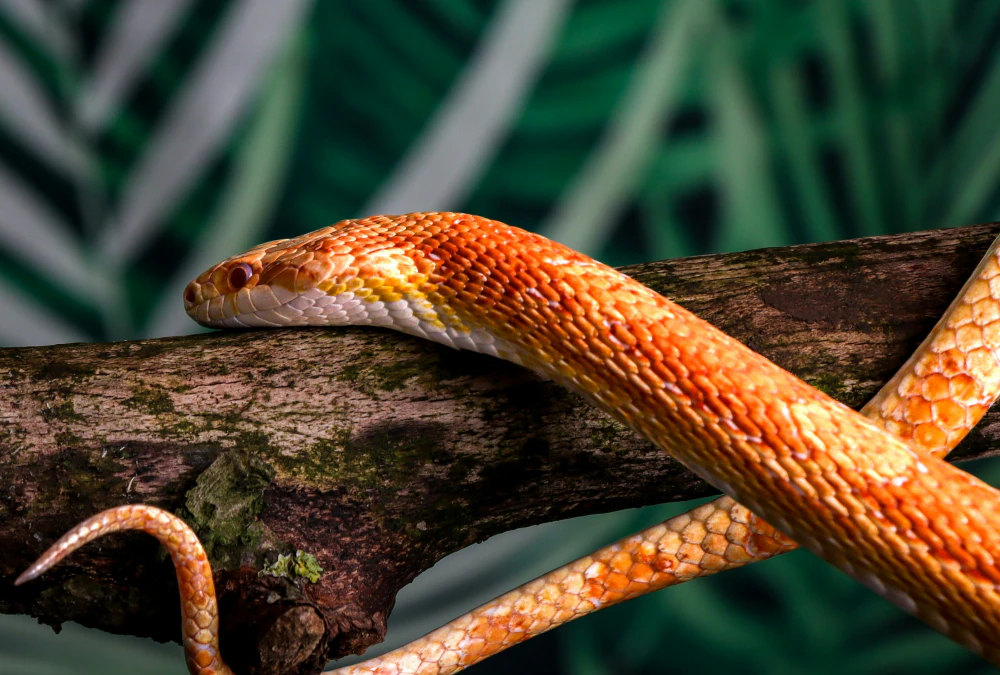
Under normal circumstances, snakes are considered to be odor-neutral pets. They don’t give off a smell. Corn snakes have dry, scale-covered skin that doesn’t absorb or trap odors the way fur does. Their enclosure, cleaned regularly, stays fresh between feedings.
The honest caveat: corn snakes have cloacal glands that can produce a terrible musk when they feel scared or agitated; this is a defensive gesture, similar to a skunk’s mechanism (Fur, Wings & Scaly Things). A well-handled, comfortable corn snake will rarely do this. A stressed, improperly handled one may. Handle calmly, don’t overdo it (2–3 times per week maximum for adults), never handle in the 48–72 hours after feeding, and you will essentially never experience this smell.
The other odor source to manage: live feeder insects. If you keep a feeder cricket colony, crickets themselves have a distinctive smell. Many corn snake owners switch to pre-killed or frozen/thawed feeders for exactly this reason; it eliminates the live insect smell and is actually safer for the snake.
Leopard geckos have no equivalent musk defense — one practical advantage over snakes for odor-sensitive owners.
Odor rating: ★★★★★ (odorless animal and enclosure; one caveat about defensive musk if stressed)
Odor prevention tip: Use frozen/thawed feeders instead of live insects. No live cricket colony = no cricket smell in your home. Thaw in warm water, offer with tongs; it takes three minutes and eliminates a major odor source.
4-Chinchilla
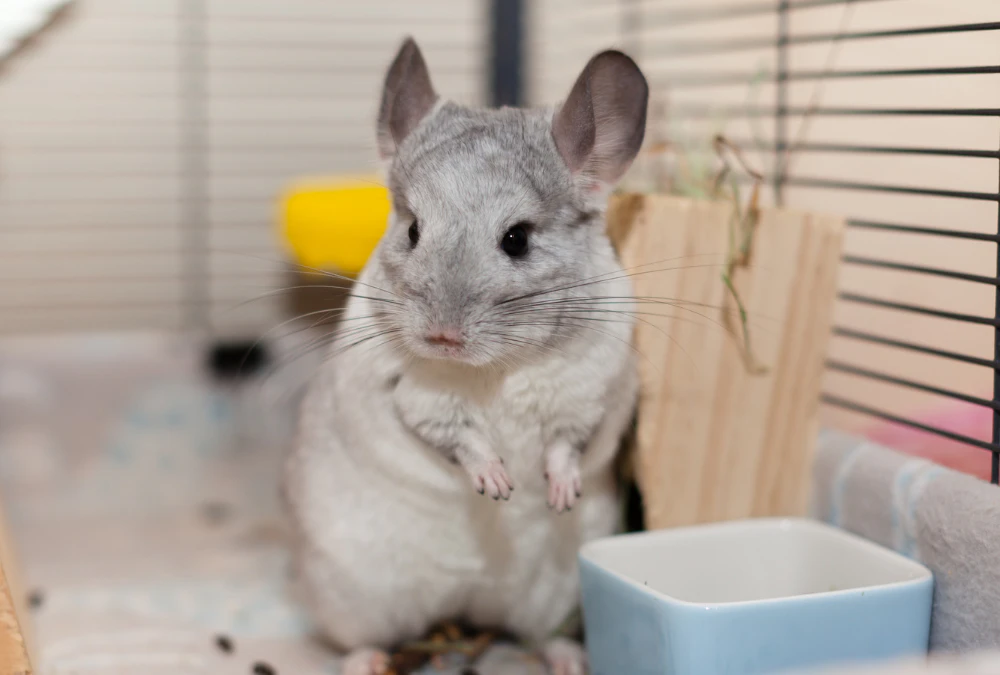
Chinchillas are one of the best-kept secrets in the low-odor pet world. Chinchillas are highly desirable because of their almost non-existent smell (PangoVet, vet-reviewed). They are nearly undetectable in the home, whereas other rodents have skin or waste smells that are hard to mask.
The reason is their unusual fur: it’s extraordinarily dense (about 60–80 hairs per follicle compared to 1–3 in most mammals), which means it doesn’t accumulate oils or skin secretions the way typical rodent fur does. Chinchillas have very little body odor because their dense fur prevents oils and dirt from building up, which is why they take dust baths instead of needing water baths.
Not even their urine or feces carry too strong a smell (NAHF). But with routine cleaning, it’s not common to notice any odor at all. Their lack of smell doesn’t mean you should slack on cleanup; living in their own waste can make them very sick, even if you can’t really smell it.
Important care notes:
- Chinchillas need dust baths 2–3 times per week, not water baths. Water damages their dense fur and can cause fungal infections.
- Chinchillas are social animals and do not do well alone. They are happiest when kept in same-sex pairs or with a neutered male and female, as they enjoy grooming and feeding together and use each other for security.
- They are crepuscular/nocturnal — most active at dawn, dusk, and night.
- They require cooler temperatures (60–70°F / 16–21°C). They overheat easily and cannot tolerate temperatures above 75°F (24°C) for extended periods. This is a serious care requirement in warmer climates or non-air-conditioned homes.
Odor rating: ★★★★★ (one of the least smelly pets available — see the veterinary sources linked in this section)
⚠️ Temperature warning: Chinchillas are extremely sensitive to heat. Temperatures above 75°F can cause heat stroke, which can be fatal within hours. If you live in a hot climate or don’t have reliable air conditioning, a chinchilla is not safe for your home. This is non-negotiable.
Tier 2: Low Odor With Consistent Cleaning
These pets are genuinely low odor, but only if you maintain a regular cleaning schedule. Skip cleaning for more than a week, and you’ll notice it.
5-Budgies (Parakeets)
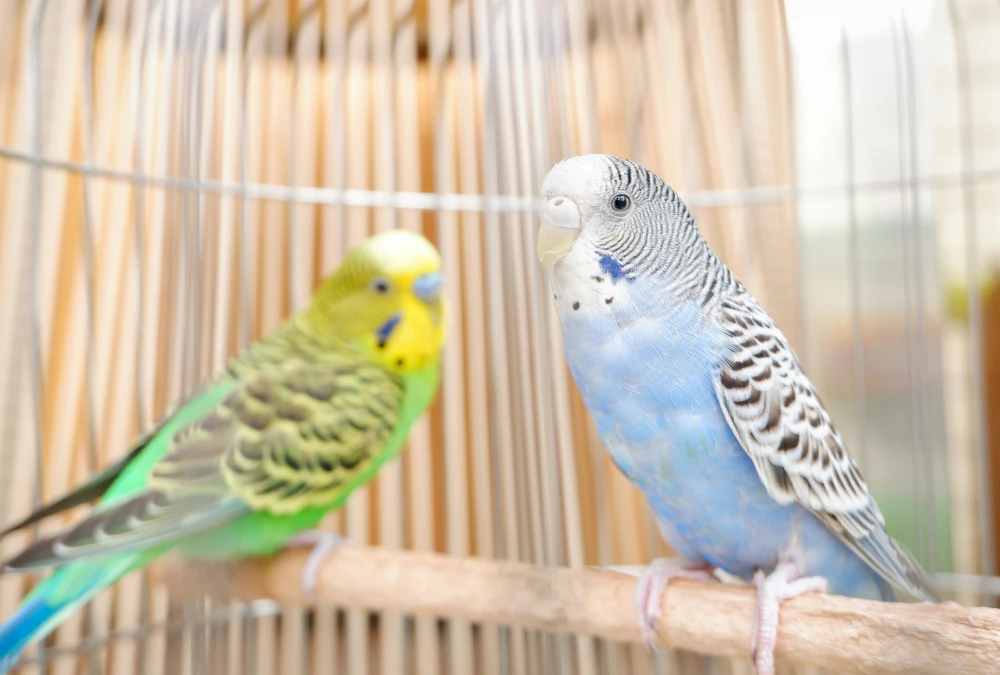
Birds, as a category, have very low body odor. They don’t have sweat glands, they preen themselves constantly, and their feathers don’t trap smells the way fur does. When kept in a clean cage, parakeets don’t produce a strong odor. Most budgie owners report that their birds have a faint, warm, slightly sweet smell; nothing unpleasant.
What creates odor in a bird setup: droppings that sit on the cage floor, old seed husks and food debris, and stale cage lining. Budgies poop frequently (every 15–20 minutes, as birds have fast digestive systems), so the cage floor accumulates quickly. A full cage clean once a week, with a quick tray wipe every 2–3 days, keeps any smell well within acceptable limits.
One notable point: budgies produce a fine feather dust (called “bloom”) when they preen. This is not a smell issue; it’s a particulate matter issue. Some people with bird allergies or respiratory sensitivities react to this dust. It’s different from odor, but worth knowing before you commit.
Odor rating: ★★★★☆ (low odor; weekly cage cleaning required to stay that way)
Odor prevention tip: Line the cage tray with newspaper or cage liners and change it every 2–3 days rather than waiting for the weekly full clean. This simple habit eliminates almost all budgie-related smell between deep cleans.
6-Guinea Pigs (A Pair)
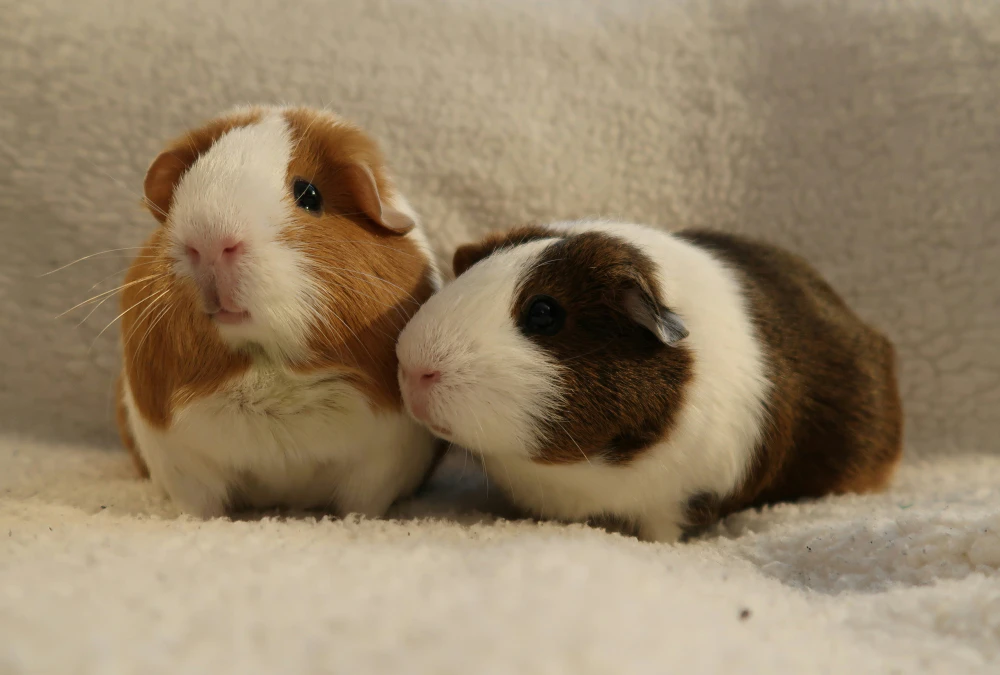
Guinea pigs themselves have minimal body odor. The smell associated with guinea pigs almost always comes from their bedding and litter area when it hasn’t been cleaned recently enough. Their urine has an ammonia smell; not as sharp as a rabbit’s, but noticeable if left to build up.
The key difference from hamsters (which appear in the next tier): guinea pig enclosures are larger, and the ammonia accumulates more slowly in a well-ventilated space. With daily spot-cleaning and a full cage change every 5–7 days, most people find that guinea pigs produce no detectable smell in their home. Their actual fur and body are essentially odorless.
The size of the enclosure matters enormously for odor control. A properly-sized cage (7.5–10.5 square feet for a pair) dilutes waste over a larger area and ventilates better than the cramped cages often sold in pet stores. An undersized cage creates concentrated ammonia buildup that no amount of cleaning frequency will fully fix.
Odor rating: ★★★★☆ (low odor with daily spot-cleans and weekly full cage change)
Odor prevention tip: Fleece liners (washable fabric) are a better bedding option than paper or wood shavings for odor control. They wick moisture away from the surface quickly, are easy to shake out daily, and can be washed twice a week. Many guinea pig owners find fleece completely eliminates the ammonia smell that builds up in disposable bedding.
Guinea pigs are also one of the most recommended first pets for children — see our guide to easy pets for kids, by age.
Tier 3: Can Be Kept Odor-Free, But Requires Real Effort
These pets are on this list because they’re frequently asked about as “low odor” options. They can be kept very clean, but their odor potential is higher than Tiers 1 and 2, and requires genuine commitment.
7-Rabbits

Rabbits can be high-maintenance as pets, but they’re generally odorless. The only facet of a rabbit that stinks is their urine. Their fur is odorless and doesn’t trap any of the stenches their home can acquire. Keep it clean, and you will not notice anything unpleasant.
The honest detail: rabbit urine is high in ammonia and among the strongest-smelling urine of any common small pet. An unspayed female rabbit’s urine is particularly pungent due to hormonal compounds. Spaying reduces this significantly and is strongly recommended for other health reasons anyway.
The litter box must be cleaned every 1–2 days without exception. A rabbit that litter-trains well (most do) keeps their waste concentrated in one spot, which makes cleaning manageable, but the frequency requirement is non-negotiable for odor control. Weekly full cleans of the litter box and surrounding area are also essential.
If you’re willing to do that, a rabbit’s living area can be genuinely odorless to a visitor walking into your home. If that cleaning frequency feels burdensome, a rabbit will create a noticeable smell.
Odor rating: ★★★☆☆ (low odor if litter box is cleaned every 1–2 days; high odor if neglected even for a few days)
Odor prevention tip: Paper pellet-based litters (not clay cat litter, which is unsafe for rabbits) absorb rabbit urine best and lock in ammonia more effectively than wood shavings. Brands like Carefresh or Yesterday’s News are vet-recommended. Change the full litter box every 2 days, not just top it up.
8-Syrian Hamster: The Honest Truth
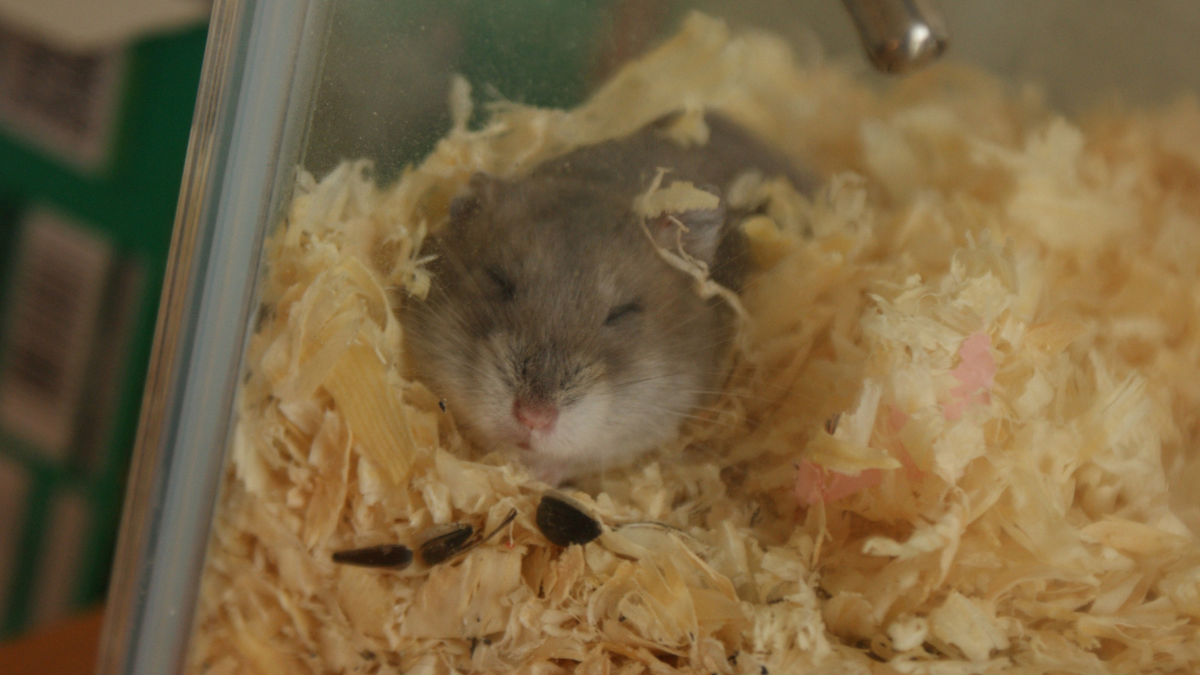
Hamsters appear on almost every “low odor pets” list. The reality is more nuanced and worth stating clearly.
Hamsters are actually very clean creatures and will wash themselves throughout the day. In the wild, they try to keep their scent to a minimum to avoid being hunted by predators. The hamster’s body itself is self-grooming and has low odor.
However, if your hamster’s cage and bedding have a buildup of urine, this can lead to a problematic pong. And hamster urine, concentrated from a small animal with a fast metabolism, can be very strong. Multiple owner communities confirm that hamster urine is among the most pungent of small pet waste. The cage must be deep-cleaned at least once a week with a full bedding change, or the smell becomes very noticeable, especially in a small room. If a weekly full clean is more than you can commit to, see our guide to pets for busy schedules.
The saving grace: hamsters naturally choose to urinate in one specific area of their cage (usually a corner). Placing a small litter box or sand bath in that spot lets you scoop it daily, exactly like a cat’s litter box, which dramatically reduces odor between full cleans.
Odor rating: ★★★☆☆ (odorless animal; cage can smell strongly if not cleaned weekly; specifically the urine area)
Odor prevention tip: Add a small sand bath (chinchilla sand, not dust) or a ceramic litter box in the corner where your hamster naturally urinates. Clean this spot daily. This single habit makes the biggest difference between a hamster cage that smells and one that doesn’t. Also add a litter box liner under their main bedding to keep ammonia from soaking into the cage material itself.
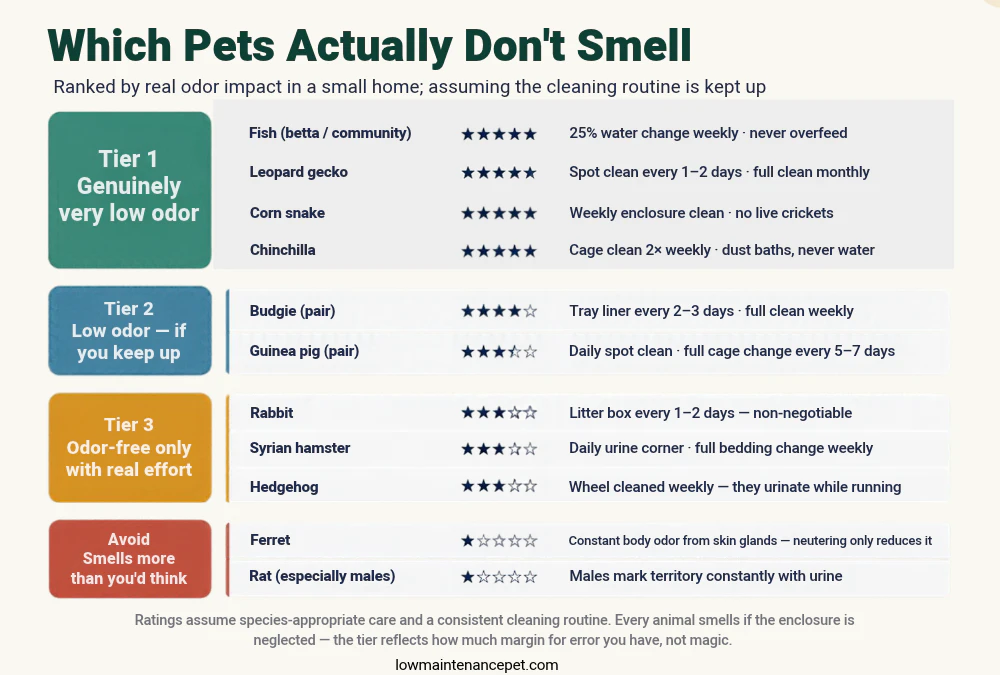
Pets That Smell More Than You’d Expect: Honest Warnings
These are animals that frequently appear on “low odor pet” lists but deserve a more honest assessment.
9-Ferrets: Not a Low-Odor Pet
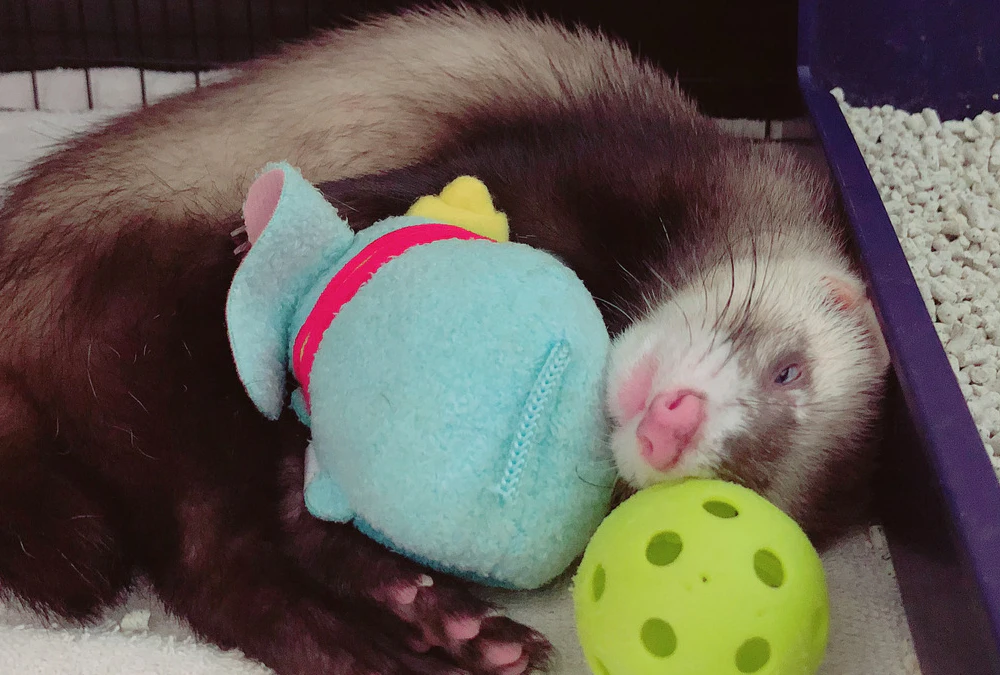
Ferrets are cheerful, playful, and intelligent, but they are not low-odor. Ferrets have a constant body odor that comes from their skin and scent glands. Even neutered ferrets (which reduces but doesn’t eliminate the smell) have a distinctive musky scent that many people find strong. Their bedding and litter also accumulate smells quickly. For smell-sensitive owners or small apartments, ferrets are genuinely not the right choice, regardless of what some articles claim.
10-Hedgehogs
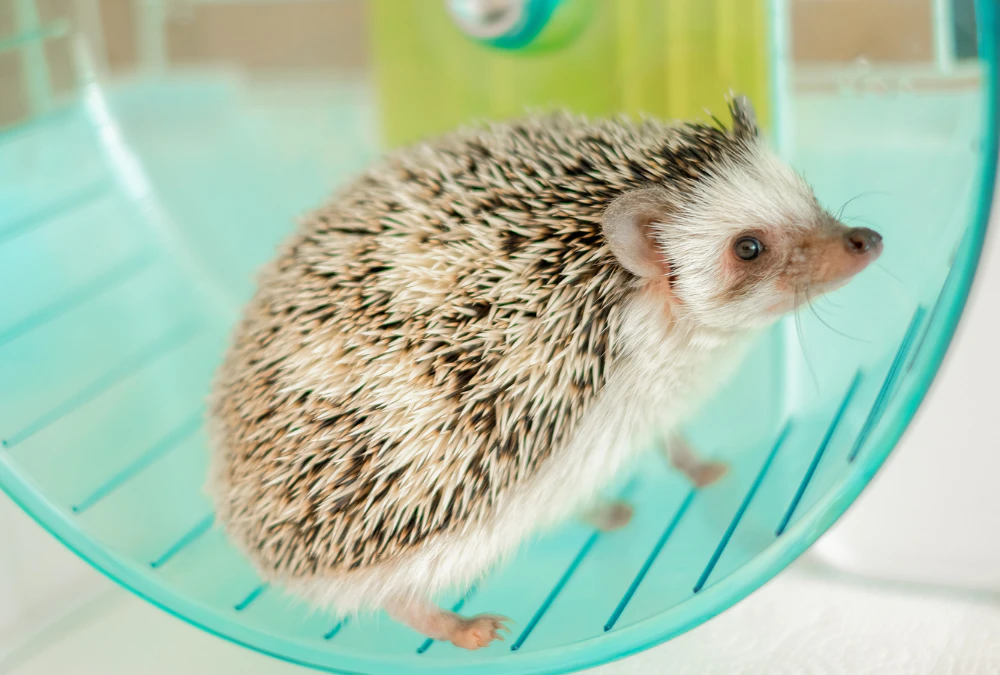
Hedgehogs themselves don’t have a strong body odor. However, they have a behavior called “anointing”; when they encounter a new or interesting smell, they lick themselves and create a frothy saliva mixture that they spread on their quills. This froth has a noticeable smell. They also tend to urinate while running on their wheel at night, and a wheel covered in dried urine is one of the most common odor complaints from hedgehog owners. Weekly wheel cleaning is essential. They can be a reasonably low-odor pet with consistent care, but require more odor maintenance than their reputation suggests.
11-Rats; Underrated Smell
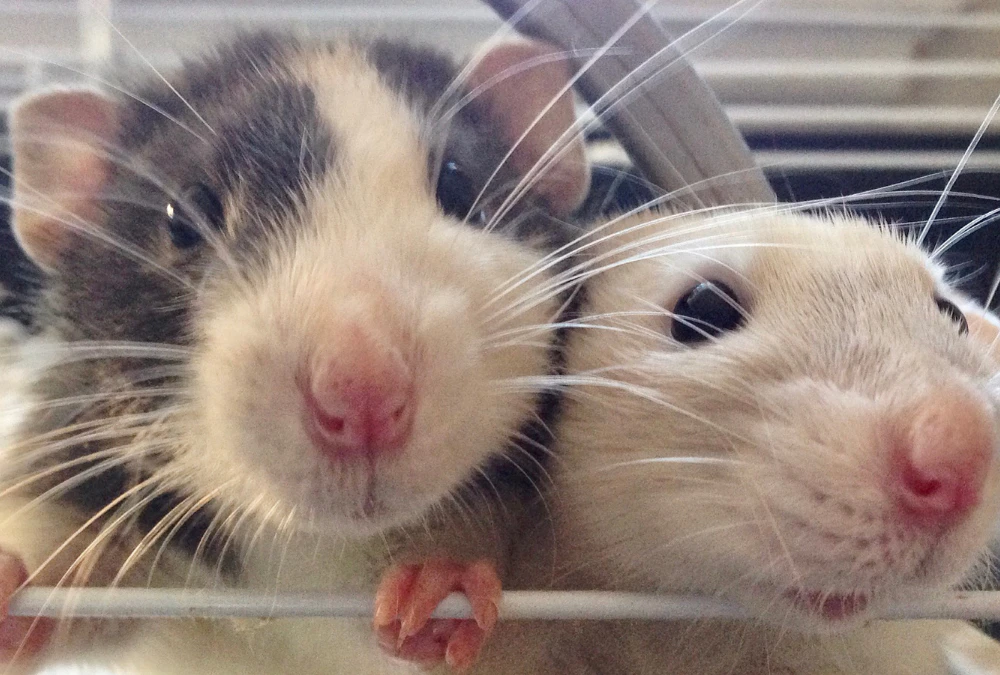
Rats are social, intelligent, and make excellent pets. But their urine has a distinctive smell, and male rats (bucks) in particular mark their territory constantly with urine; a natural behavior that’s very hard to reduce. Many rat owners describe a persistent “ratty smell” in the room where the cage is kept, even with regular cleaning. Females tend to be less marked and therefore less smelly. Worth knowing before you choose rats as a “low odor option.”
The Smell-Prevention Master Rules: Apply to All Pets
Regardless of which animal you choose, these principles prevent odor in any pet setup:
Rule 1: Clean before you can smell it, not after. By the time you can smell a pet enclosure, the ammonia has already built up significantly and penetrated bedding, substrate, and cage materials. A quick daily spot-clean prevents this entirely. It takes 2–3 minutes and eliminates the need for emergency deep-cleans.
Rule 2: Ventilation is the difference between “clean smell” and “no smell.” A room with a pet enclosure needs airflow. Closed windows and poor air circulation trap odor molecules that would otherwise dissipate. An air purifier with a carbon filter near the enclosure is one of the most effective investments for any pet owner in a small apartment; it actively removes airborne particles and odors rather than just masking them with fragrance.
Rule 3: The enclosure size matters as much as cleaning frequency. A small cage concentrates waste in a small space. A properly-sized enclosure spreads waste over a larger area, ventilates better, and builds up odor far more slowly. The correct enclosure size isn’t just an animal welfare issue; it’s directly relevant to how much your home smells.
Rule 4: Identify and eliminate the specific odor source. Most pet smells come from one thing: the urine corner, the dirty wheel, the old feeder insects, the unwashed water dish. Identify your specific source and fix that one thing. Broad cleaning without identifying the source often doesn’t solve the problem.
Rule 5: Diet affects the smell of waste. What your pet eats affects how their waste smells. High-protein diets produce more pungent waste in most small animals. Feeding a balanced, species-appropriate diet keeps waste odor to a minimum. For fish, overfeeding is the single biggest cause of tank smell.
Quick Comparison Table
| Pet | Body odor | Enclosure odor | Cleaning needed | Rating | Verdict |
|---|---|---|---|---|---|
| 🐟 Fish (Betta/Community) | None | Low (if well-maintained) | Weekly water change | ★★★★★ | ✅ Best choice |
| 🦎 Leopard Gecko | Minimal | Low (daily spot-clean) | Daily spot + monthly deep | ★★★★★ | ✅ Excellent |
| 🐍 Corn Snake | None | Low (weekly clean) | Weekly enclosure clean | ★★★★★ | ✅ Excellent |
| 🌸 Chinchilla | Nearly none | Minimal | Cage clean 2x weekly | ★★★★★ | ✅ Excellent |
| 🦜 Budgie (pair) | Minimal | Low-medium (droppings) | Tray every 2–3 days | ★★★★☆ | ✅ Good |
| 🐾 Guinea Pig (pair) | Minimal | Medium (urine) | Daily spot + weekly full | ★★★★☆ | ✅ Good |
| 🐰 Rabbit | None | High (urine, ammonia) | Litter every 1–2 days | ★★★☆☆ | ⚠️ Requires commitment |
| 🐹 Syrian Hamster | Minimal | Medium-high (urine) | Full weekly + daily urine spot | ★★★☆☆ | ⚠️ Requires commitment |
| 🦔 Hedgehog | Low | Medium (wheel urine) | Weekly wheel clean essential | ★★★☆☆ | ⚠️ Moderate effort |
| 🦦 Ferret | High (constant) | High | Daily minimum | ★☆☆☆☆ | ❌ Not recommended |
| 🐀 Rats | Minimal | High (urine marking) | Daily spot + weekly full | ★★☆☆☆ | ❌ Not recommended |
Odor ratings assume proper species-appropriate care and regular cleaning. All animals will smell if neglected.
FAQ Questions People Actually Ask
What is the cleanest pet to own?
Fish are the cleanest pet to own in terms of household odor impact — they produce no body smell detectable at room distance, and a well-maintained tank has no noticeable odor in the living space. Leopard geckos and corn snakes are close behind: their dry, scale-covered skin produces no oils or body scent, and their enclosures stay fresh with basic spot-cleaning. If you want a mammal with the least smell, a chinchilla is the strongest option — it has one of the lowest body odors of any pet rodent, confirmed by veterinary sources.
Do fish tanks smell bad?
A properly maintained fish tank does not smell bad. A healthy, well-kept tank has a very faint natural smell (slightly earthy or mineral) that is only noticeable if you put your nose directly near the water. In a room, it is undetectable. Bad fish tank smell is almost always caused by one of four things: overfeeding (decomposing food), a dirty or inadequate filter, dead plant matter that hasn’t been removed, or insufficient water changes. Fix any of these and the smell resolves quickly.
Do reptiles smell?
Most reptiles have very little body odor (Zen Habitats). Their dry, scale-covered skin doesn’t produce the oils and secretions that cause mammalian body odor. The smell typically associated with reptile enclosures comes from waste that hasn’t been cleaned, not from the animal itself. Leopard geckos and corn snakes are both genuinely low-odor pets whose enclosures, kept clean, produce no noticeable smell in a room. The one exception: some snake species, including corn snakes, can emit a defensive musk from cloacal glands when stressed or threatened. A well-handled, calm corn snake will rarely do this.
Do guinea pigs smell?
Guinea pigs themselves have very little body odor. The smell commonly associated with guinea pigs comes from their bedding and urine area when it hasn’t been cleaned frequently enough. With daily spot-cleaning and a full cage change every 5–7 days, most owners report no detectable odor in their home. The biggest factors: correct cage size (larger is better for odor dilution and ventilation), daily spot-cleaning of the urine area, and using absorbent bedding or washable fleece liners.
Do hamsters smell?
Hamsters are clean, self-grooming animals with minimal body odor. However, their urine is concentrated and can smell strong if you don’t clean the cage on a consistent schedule (PetsRadar, vet-approved). Deep-clean the cage at least once a week with a full bedding change, and spot-clean the urine corner daily. With that routine in place, most hamster owners report very little smell. Without it, the urine smell can be significant — especially in small rooms. Adding a sand bath or small litter box in the hamster’s chosen urine corner makes daily spot-cleaning quick and easy.
Do chinchillas smell?
Chinchillas are one of the least smelly pets you can keep — they have almost no body odor, and even their waste is mild compared to other rodents. The reason is their fur: roughly 60–80 hairs per follicle, so it doesn’t hold oils or skin secretions the way normal rodent fur does. Their cage does need cleaning twice a week, and they need dust baths rather than water baths. Do that, and most visitors won’t notice you have an animal at all.
Do ferrets smell?
Yes. Ferrets have a constant musky body odor from their skin and scent glands, and it doesn’t go away — neutering reduces it but doesn’t eliminate it. Their bedding and litter also need daily cleaning. They’re frequently listed as “low odor” pets, and they aren’t. If smell is your deciding factor, choose a leopard gecko, a corn snake, or fish instead.
Do rabbits smell?
Rabbits themselves are odorless — their fur carries no smell. Their urine is the problem: it’s high in ammonia and among the strongest of any common small pet. The litter box needs cleaning every one to two days, without exception. Kept on that schedule, a rabbit’s area is genuinely odorless to a visitor. Miss a few days, and you’ll smell it. Spaying an unspayed female reduces the pungency significantly.
Do hedgehogs smell?
Hedgehogs have little body odor of their own, but they aren’t odor-free. They “anoint” — when they meet a new smell, they lick themselves and spread frothy saliva on their quills, and that froth has a noticeable scent. They also urinate while running on their wheel, so the wheel needs cleaning weekly. It’s manageable, but it’s more work than a gecko or a corn snake.
What small pet doesn’t smell?
The small pets with the genuinely lowest odor are: chinchillas (nearly no body or waste odor, vet-confirmed), leopard geckos (no body odor, daily spot-cleaning needed for enclosure), and fish (no body odor, no waste smell in a properly maintained tank). Among furry mammals, chinchillas are the clear winner — their extraordinarily dense fur prevents oil and dirt buildup, and even their waste has minimal smell compared to other rodents.
What pets are good for apartments?
For an apartment, the best low-odor options are fish (betta or community tank), leopard geckos, corn snakes, and chinchillas. All four have minimal to no body odor and manageable enclosure maintenance. Fish are the simplest choice for a very small space. Leopard geckos and corn snakes are excellent if you’re comfortable with reptiles. Chinchillas need a bit more space and absolutely require air conditioning or a cool room — they cannot tolerate heat above 75°F. Avoid ferrets, intact male rabbits, and single guinea pigs for small apartments. For the full breakdown, see our guide to low-maintenance pets for small apartments.
What is the least messy pet?
Fish are the least messy — everything stays inside the tank. Leopard geckos are also very tidy — they consistently use the same corner of their enclosure for waste, making cleanup predictable and contained. Corn snakes are extremely tidy, and their enclosures stay clean for 1–2 weeks between full cleans. Among small mammals, chinchillas are notably cleaner than most — their waste is very dry, their fur stays clean with dust baths, and their enclosure doesn’t develop the ammonia smell associated with most rodents.
Can I have a pet that doesn’t smell if I have allergies?
If your concern is allergies specifically, fish and reptiles are the safest choices — they produce no dander, no fur, and no feathers. Fish tanks may contribute to mold or humidity in very sealed spaces, but this is manageable with a proper lid and good ventilation. Leopard geckos and corn snakes produce no allergens that commonly trigger human allergic responses. Chinchillas produce very fine dust during their dust baths, which can irritate respiratory sensitivities in some people — less so than cat dander, but worth knowing. Always consult an allergist if respiratory allergies are a significant concern.
Conclusion
The most common reason a pet smells is not the species; it’s the cleaning routine. Almost any pet on this list can be kept in a small apartment without anyone knowing it’s there, if you choose the right animal and maintain the right habits.
No matter what you choose: start with the right setup, build the cleaning habit before it becomes a problem, and your home will stay fresh. The smell issue with pets almost always comes down to setup and routine, not the animal itself.