Disclosure: This post contains affiliate links. If you buy through them, we may earn a commission at no extra cost to you. It never changes our recommendations.
I want a pet, but I barely have time for myself. If that sounds like you, this page is exactly what you need.
Before I get into the list, let me tell you where I’m coming from. I didn’t grow up reading pet care books. I grew up in a small village with grandparents who kept everything: cows, horses, donkeys, rabbits, chickens, cats, and dogs. Real animals, real care, real responsibility. I spent most of my childhood with them and learned things you can’t get from a Wikipedia article.
I’m not a veterinarian. But I’ve had my hands in enough feeders, cages, and water bowls to know what actually matters when keeping an animal healthy without it taking over your whole life.
🐾 Low-Maintenance Pet Finder
Based on our Honest Guide: Find your match!
What “low maintenance” actually means
No animal is maintenance-free. If someone tells you otherwise, they’re either lying, or they haven’t owned the animal they’re recommending. Even a betta fish needs its water changed. Even a gecko needs its tank cleaned.
What low maintenance actually means is this: the animal can be healthy and happy without you being home all day, without a massive daily time commitment, without a big outdoor space, and without a mountain of equipment. If you can meet the animal’s basic needs in under 15 minutes a day most days, it qualifies.
The other thing worth saying upfront: low-maintenance doesn’t mean the animal doesn’t matter. These animals still feel stress, boredom, and discomfort. Part of choosing the right one is being honest about what you can actually provide.
If you want the full framework, keep reading this article. And if space is your constraint rather than time, see Best Low-Maintenance Pets for Small Apartments.
1. Betta Fish
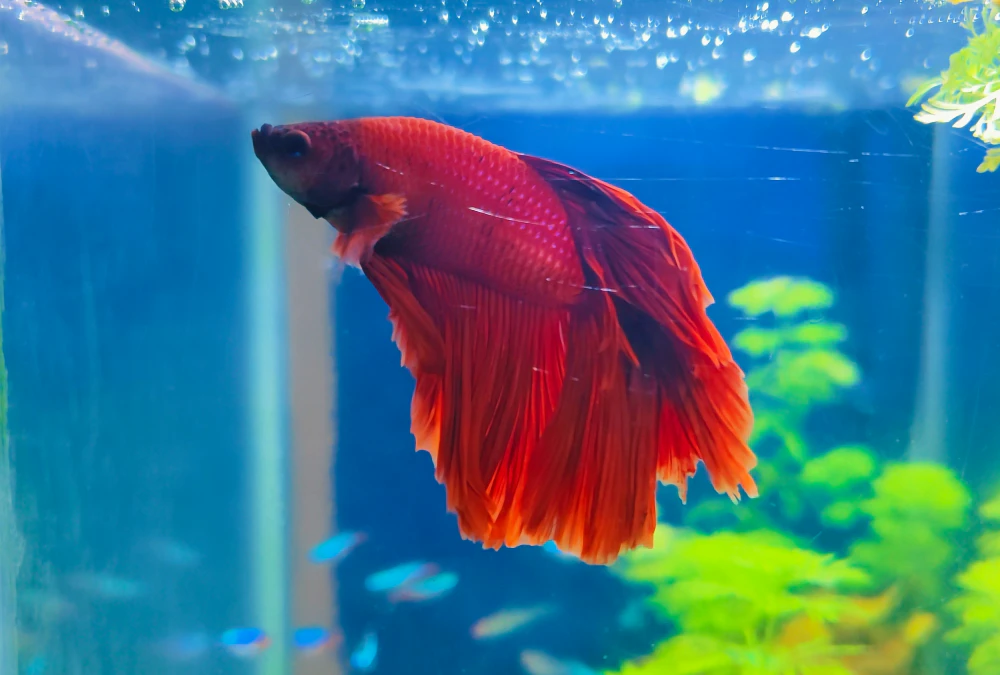
If you want one honest recommendation for someone who’s genuinely busy and has never owned a pet before, it’s a betta fish. Not because they’re boring; they’re actually fascinating to watch. But the care is genuinely simple once the tank is properly set up.
- Daily Time: ~2 min to feed
- Tank Size: 5–10 gallons recommended
- Weekly Effort: 25% water change
- Lifespan: 2–5 years
On tank size: the practical minimum for a healthy betta is a filtered, heated 5-gallon tank. A 10-gallon tank is better if you have the space, and it’s significantly easier to keep the water chemistry stable. Dr. Krista Keller, a board-certified zoological medicine specialist, puts it plainly: bettas “should not live in bowls. Instead, they should ideally be in a 5-gallon glass or plastic tank or larger” (University of Illinois College of Veterinary Medicine). A small bowl without a filter is not appropriate — it leads to rapid deterioration of water quality and a significantly shorter life.
Real Monthly Cost (ongoing, after setup)
| Item | Cost |
| Food (betta-specific pellets, carnivore diet) | $2–8 |
| Water conditioner / dechlorinator | $2–5 |
| Filter media replacement (amortized) | $2–5 |
| Electricity — heater + filter (24/7, low wattage) | $1–5 |
| Estimated monthly total | $7–23 / month |
Sources: University of Illinois — Dr. Krista Keller; PetMD Betta Care Sheet. Setup: $80–250 one-time.
The setup matters more than the ongoing care. A filtered 5–10 gallon tank with a heater, a low-flow filter (bettas come from slow-moving water and strong currents stress them), and a lid makes everything easier. Get that right from the start, and weekly maintenance takes about 15 minutes. Bettas also need a consistent light/dark cycle — a cheap timer on a small tank light is enough.
The bonus nobody talks about: watching fish is calming. Small studies have found that observing an aquarium can lower blood pressure and heart rate. A betta tank does that job quietly and without asking anything from you.
From experience: Get a lid. Bettas jump; they have a specialized lung-like organ called a labyrinth that allows them to breathe air from the surface, and they’re surprisingly good at launching themselves out of tanks. A simple lid prevents a lot of heartbreak.
2. Syrian Hamster
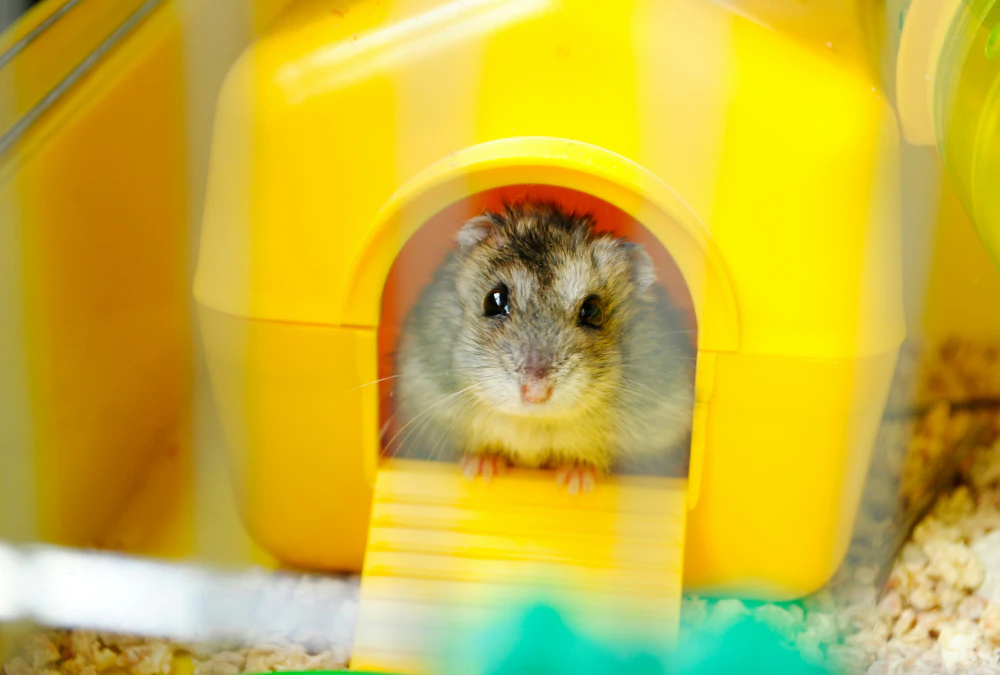
Hamsters have a slightly unfair reputation as boring starter pets. They’re not, when set up properly. The problem is that most hamster owners buy a tiny cage from a pet store and wonder why their hamster seems miserable. Hamsters in the wild run up to 5–8 miles a night. Give them a large enough enclosure with a proper wheel, and you’ll see a completely different animal.
- Daily Time: ~5 min feeding + check
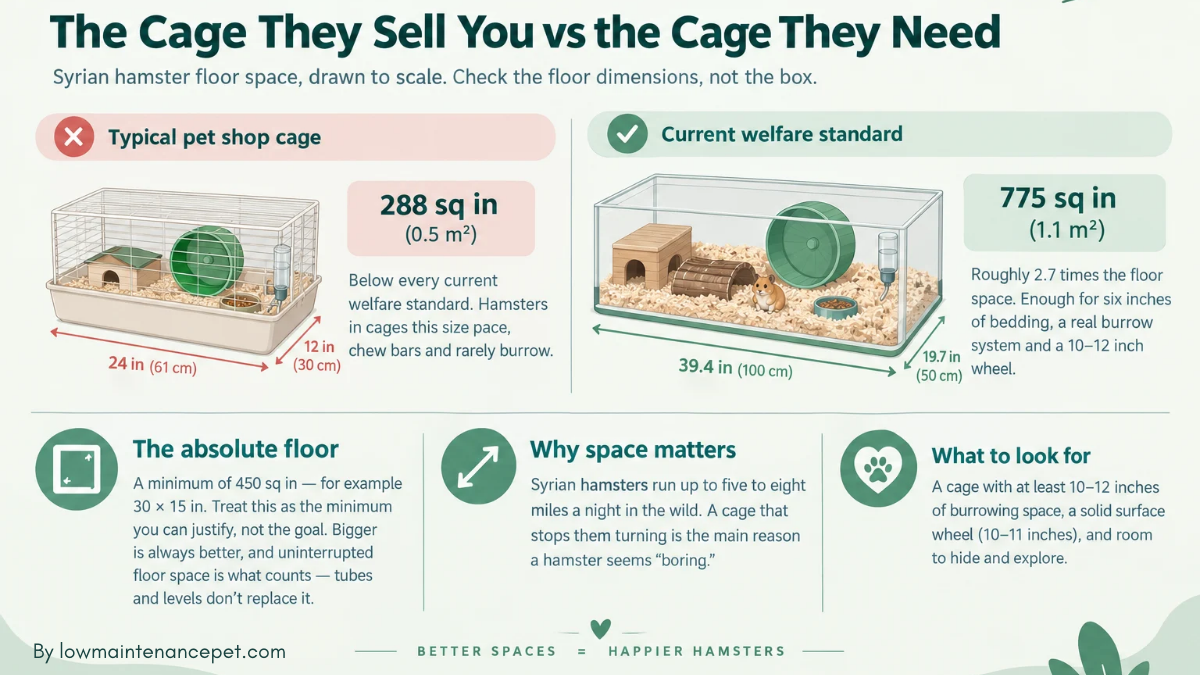
- Cage Size: 450 sq in absolute minimum (for example, 30″ × 15″); 100 × 50 cm (roughly 775 sq in) is the current welfare standard, and bigger is always better. Most pet shop cages are well below this.
- Deep Clean: Every 2–3 weeks
- Lifespan: 2–3 years
Cage size matters more than anything else here. Current small-animal welfare guidance puts the standard at 100 × 50 cm of uninterrupted floor space for a Syrian, with 450 sq in as an absolute floor. Most cages sold in pet shops fall well short of that — check the floor dimensions, not the box.
Real Monthly Cost
| Item | Cost |
| Fortified pellets or lab blocks + seed mix | $5–10 |
| Paper-based bedding (6 inches deep, replaced every 2–3 weeks) | $5–15 |
| Treats + chew toys (amortized) | $2–5 |
| Annual exotic vet wellness exam (÷ 12) | ~$4–8 |
| Estimated monthly total | $15–30 / month |
Sources: Chewy vet-reviewed hamster care sheet; A-Z Animals. Setup: $100–250 one-time.
They’re nocturnal; they sleep all day and come alive in the evenings. You don’t need to worry about them being bored or lonely while you’re at work. Come home, refill their food and water, and watch them zoom around for a while. That’s a pretty good deal for a busy person.
Syrian hamsters are solitary; they must live alone. Chewy’s vet-reviewed care sheet and the American Humane Society both confirm this is non-negotiable: Syrians will fight to serious injury if housed together, no exceptions.
On food: base the diet on a fortified pellet or lab block. This prevents selective feeding — the habit of picking out the sunflower seeds and leaving the rest, which is how deficiencies start. Add a small seed mix for foraging and enrichment, and a tiny amount of fresh vegetables. Seed-only diets are the real problem, not pellets.
Health note: some respiratory infections can pass from people to small mammals, so if you’re unwell, skip handling for a few days. Hamsters also hide illness until it’s serious — a hallmark of prey animal behaviour. An exotic vet familiar with rodents is worth identifying before you need one. Wet tail (severe diarrhoea) in young hamsters is a same-day vet emergency.
From experience: Deep litter (at least 6 inches of bedding) makes a dramatic difference. Hamsters are burrowers. Give them enough material to dig, and they’ll build tunnels and sleeping chambers.
3. Leopard Gecko
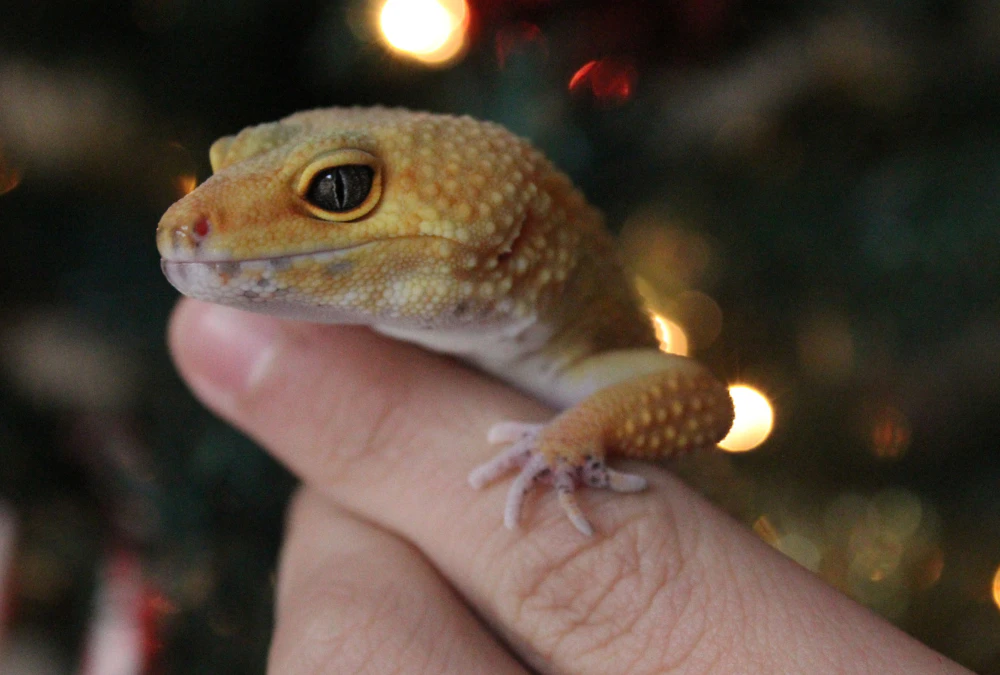
Leopard geckos are one of the most beginner-friendly animals on this list. They’re small, slow-moving, and docile enough that most people can handle them within a few weeks of bringing one home. They feed every other day as adults, and they’re quiet around the clock. Their 15–20-year lifespan means this is a real long-term companion; factor that in before you decide.
- Daily Time: 5–10 min (every other day feeding)
- Enclosure: 20-gallon tank minimum
- Deep Clean: Monthly
- Lifespan: 15–20 years
Real Monthly Cost
| Item | Cost |
| Live feeders (crickets/mealworms) | $10–20 |
| Calcium + vitamin D3 supplement dust | $2–4 |
| Substrate replacement (quarterly ÷ 3) | $3–6 |
| Electricity — heat source + thermostat | $5–15 |
| Vet fund (set aside monthly) | $10–15 |
| Estimated monthly total | $30–60 / month |
Sources: ReptiFiles Leopard Gecko Care Guide; Vety 2026. Setup: $160–300 one-time.
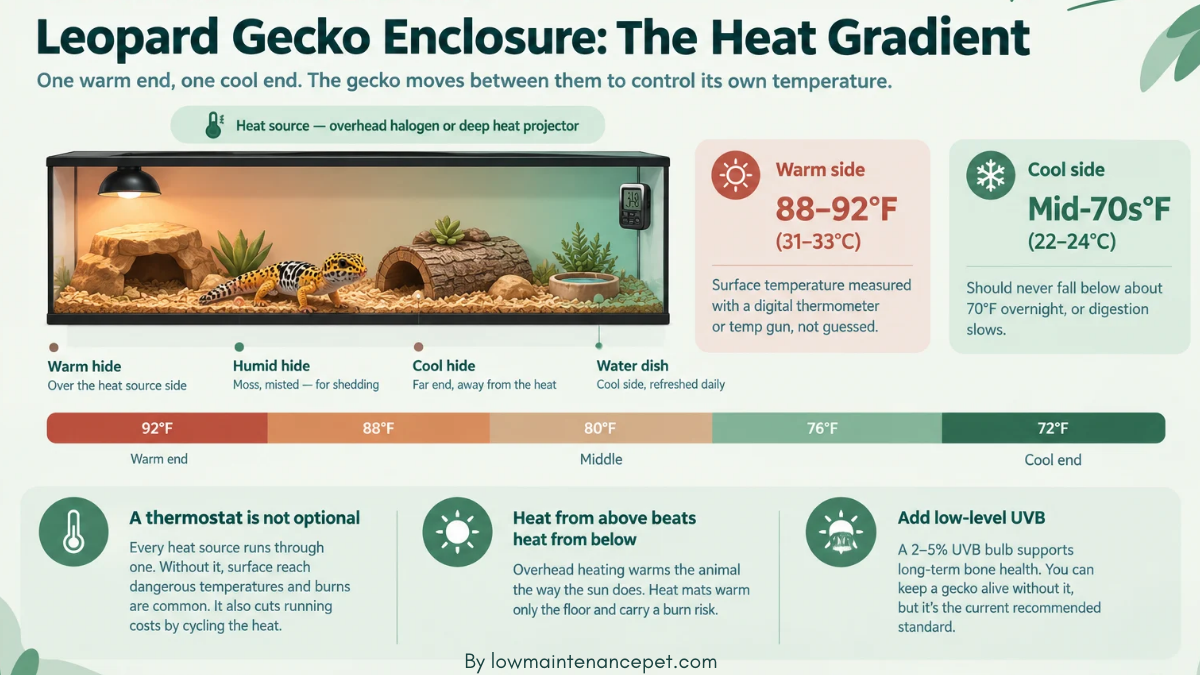
UVB lighting: they don’t need the high-intensity UVB required by bearded dragons, but most reptile vets now recommend a low-level UVB lamp (2–5% range) as best practice for long-term bone health and natural vitamin D3 synthesis. You can keep geckos alive without it by dusting food with calcium + D3 supplements — but low-level UVB is the current recommended standard. A basic 5.0 UVB bulb costs $15–25 and lasts 6–12 months.
Heating: always use a thermostat, without exception. Without one, surface temperatures can get dangerously high. A $20–30 thermostat protects your gecko and reduces electricity costs by cycling the heat efficiently. Heat mats work, but overhead heating — a halogen bulb or deep heat projector on a dimming thermostat — is now preferred, because it warms the animal rather than just the floor and doesn’t carry the same burn risk.
4. Guinea Pigs

Guinea pigs are the most rewarding small mammal on this list, but also among the most demanding. They’re active during the day (unlike hamsters), they respond to your voice, they make distinctive sounds (wheeking, purring, chattering), and they genuinely bond with their owners. If you want a small animal with real personality that’s actually awake when you’re home, guinea pigs are hard to beat.
The one firm rule: get two, always. Guinea pigs are herd animals. A single guinea pig alone all day will become depressed, often developing repetitive behaviours. Two of the same sex bond with each other and handle time alone just fine. Dr. Amanda Steinagel, DVM, DABVP (Exotic Companion Mammal) at Kansas State University, treats this as a foundational welfare requirement — not optional.
- Daily Time: 15–20 min (feeding + interaction)
- Cage Size: 7.5–10.5 sq ft for a pair
- Weekly Clean: Full cage once a week
- Lifespan: 5–7 years
Real Monthly Cost (pair)
| Item | Cost |
| Timothy hay (staple diet — unlimited daily) | $15–25 |
| Pellets (fortified with Vitamin C, small daily amount) | $5–10 |
| Fresh vegetables (bell pepper, leafy greens — Vit C source) | $10–20 |
| Paper-based or fleece bedding | $10–20 |
| Toys, chews, enrichment (amortized) | $5–10 |
| Estimated monthly total (pair) | $40–80 / month |
Sources: Chewy / Dr. Steinagel DVM; Hepper (Jan 2026); Guinea Pig Guide (2025). Setup: $200–400 one-time.
Critical care note — Vitamin C: guinea pigs cannot synthesize their own Vitamin C, unlike most animals. Deficiency causes a painful condition called scurvy that affects joints, skin, and healing. They must get Vitamin C daily through fresh vegetables (red bell pepper is one of the best sources) or a supplement. This is the one non-negotiable in guinea pig care that cannot be skipped even on busy days.
Note on vet costs: guinea pigs need an exotic animal vet (not a standard dog/cat clinic), which costs more. A guinea pig with a chronic condition can cost 1,500–3,000 yearly in care. An emergency fund of $300+ per animal is strongly recommended before you bring them home.
5. Rabbits
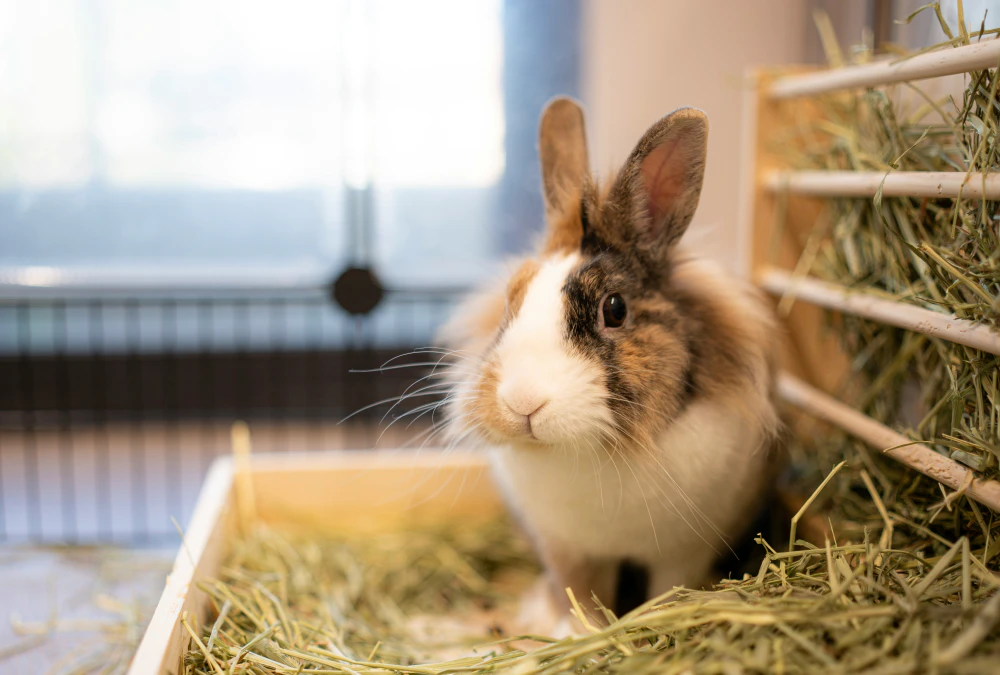
Rabbits are more work than most of the others on this list, but they’re here because they offer something the others don’t: genuine companionship. A rabbit that trusts you will seek you out, flop down beside you on the couch, and respond to your voice. They’re social in a way that’s closer to a cat than most people expect from a small animal.
- Daily Time: 20–30 min interaction + feeding
- Space Needed: Large pen + free roam time
- Weekly Effort: Full cage clean
- Lifespan: 8–12 years
Real Monthly Cost
| Item | Cost |
| Hay (80–90% of diet — unlimited, ~5 lbs/month) | $20–35 |
| Fresh leafy greens (daily) | $15–25 |
| Pellets (small daily portion — not main food) | $5–10 |
| Paper-based litter (replaced 2x/week) | $15–25 |
| Toys + chew items (amortized) | $5–10 |
| Estimated monthly total | $60–100 / month |
Sources: Rabbit Hole Hay; AskAVet vet-approved guide (2025); the House Rabbit Society. Setup: $300–600 one-time, including spay/neuter.
They can be litter trained, which surprises most first-time rabbit owners. An indoor rabbit with a litter box is tidier than you’d expect. Hay must be unlimited at all times: it keeps their teeth worn and their digestive system moving. A rabbit that stops eating hay for 12+ hours is showing a warning sign.
GI stasis is a medical emergency: if a rabbit stops eating or stops producing droppings for 12+ hours, it requires immediate vet attention. GI stasis is a leading cause of rabbit death and can progress within hours. Know your exotic vet’s emergency contact before this ever happens.
Be honest with yourself before committing: rabbits live 8–12 years. Spaying/neutering runs $150–500 and is strongly recommended (reproductive cancers are common in unspayed females). Annual vet costs, including routine care, typically land at $800–1,400/year. If that’s not feasible right now, a shorter-lived animal is a more honest choice.
6. Budgies (Parakeets)
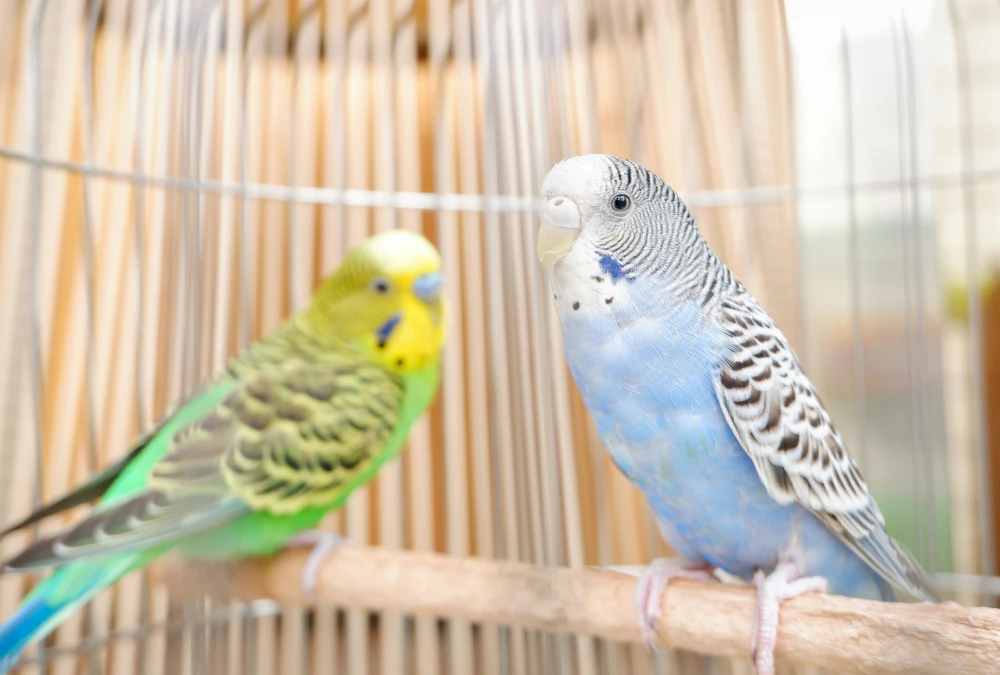
My grandparents had birds. I know birds. And what I’d tell anyone considering a budgie is: they’re a lot more personable than people expect from something that size. A hand-tamed budgie will talk, whistle, and genuinely interact with you. They’re curious, social, and funny. In a small apartment, a pair of budgies provides enough entertainment to replace a television some evenings.
- Daily Time: 10–15 min + out-of-cage time
- Space Needed: Wide cage (width matters more than height)
- Weekly Effort: Full cage clean
- Lifespan: 5–10 years on average, sometimes up to 15
Real Monthly Cost (pair)
| Item | Cost |
| Pellets/seed mix | $8–15 |
| Fresh vegetables and leafy greens | $5–10 |
| Treats — millet spray, cuttlebone, mineral block | $3–6 |
| Cage liners + cleaning supplies | $3–6 |
| Toys (rotated monthly, amortized) | $3–8 |
| Annual avian vet exam per bird (÷ 12) | ~$7–15 |
| Estimated monthly total (pair) | $30–60 / month |
Sources: World Birds; Heartland Avian Rescue Project; We’re All About Pets. Setup: $150–300 one-time.
Get two, not one. A single budgie left alone all day will become lonely and sometimes develop repetitive behaviours. Two keep each other company, are louder together (worth knowing upfront), and are much happier. Find an avian vet through the Association of Avian Veterinarians before you need one.
Household safety for birds: non-stick (PTFE/Teflon) cookware releases fumes when overheated that can kill birds rapidly. Scented candles, aerosol sprays, and cleaning product fumes are also dangerous. This isn’t an exaggeration —it’s one of the most common causes of sudden budgie death. Before getting birds, review your kitchen equipment and make sure everyone in the household knows.
Noise level: budgies are not quiet. They chirp and chatter throughout the day. They’re not screaming macaws, but if you need complete silence to work from home, factor this in — or read Quiet Pets for Apartments and Thin Walls.
7. Corn Snake
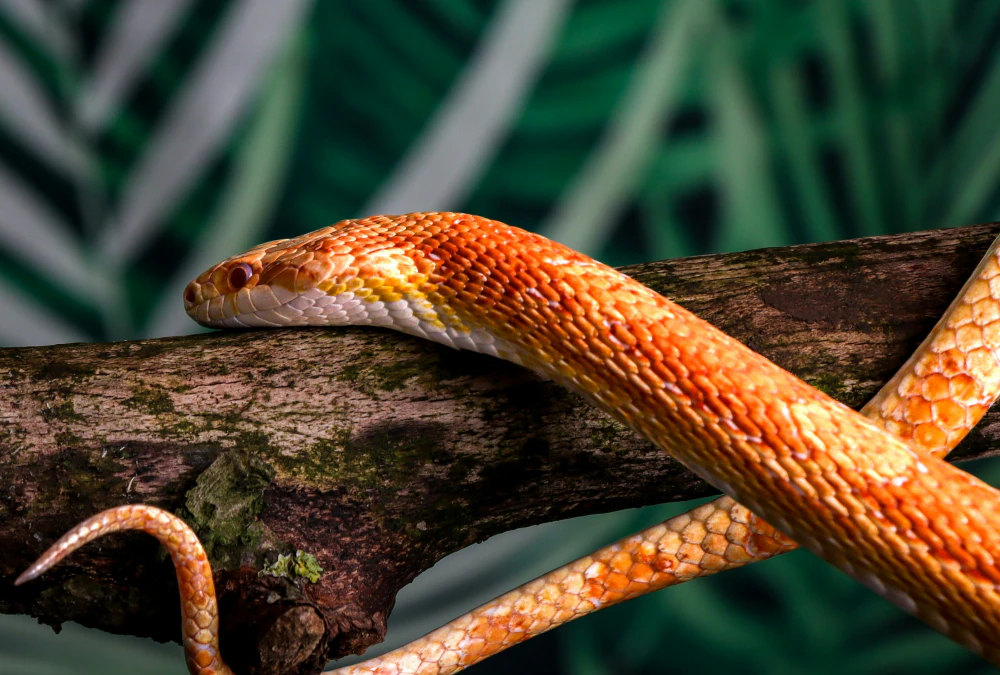
Corn snakes are one of the best-kept secrets in the low-maintenance pet world. They eat once every 1–2 weeks as adults; they’re non-venomous; they’re docile and easy to handle once acclimatized; and their ongoing monthly costs are among the lowest of any animal on this list. If you’re not bothered by handling frozen or recently defrosted mice, a corn snake is genuinely one of the easiest pets you can own.
They grow to 2–5 feet long and live 15–20 years. That’s a meaningful commitment, but their daily needs are minimal: check temperatures, make sure water is fresh, feed every 7–14 days. They don’t need daily interaction to stay healthy, which makes them ideal for people who travel occasionally.
- Daily Time: 5 min temp + water check
- Feeding: Every 7–14 days (adults)
- Enclosure: 20-gallon for juveniles, 40-gallon for adults (4×2×2 ft is the modern ideal)
- Lifespan: 15–20 years
Real Monthly Cost
| Item | Cost |
| Frozen/thawed mice (adult eats every 10–14 days) | $8–20 |
| Substrate replacement (aspen shavings, monthly) | $5–10 |
| Electricity — heat source (thermostat-controlled) | $3–8 |
| Annual vet exam (÷ 12) | ~$4–8 |
| Estimated monthly total | $20–46 / month |
Sources: ReptiFiles Corn Snake Care Guide; The Vet Desk (Jan 2026). Setup: $200–350 one-time.
Feed frozen/thawed prey — not live mice. Live mice can injure your snake (a bite to the face is a real risk), and frozen feeders are just as nutritionally complete. Thaw in warm water, offer with tongs. It sounds more complicated than it is. Once you’ve done it twice, it takes about three minutes.
Corn snakes are also natural escape artists. They will test every seam of their enclosure every night. A secure, locking lid is not optional; it’s the difference between owning a corn snake and searching for one behind your furniture at 2 am.
From experience: don’t handle your corn snake for 48–72 hours after feeding. They need time to begin digestion, and handling during this period stresses them and can cause regurgitation, which is unpleasant and hard on the snake’s system. Build a “no-handle day” into your routine.
Not suitable for: people who are strongly opposed to handling (or storing) frozen/thawed mice. That’s the one non-negotiable in corn snake care, and there’s no practical alternative for a healthy diet. If that’s a dealbreaker, choose a different animal.
8. Hedgehog
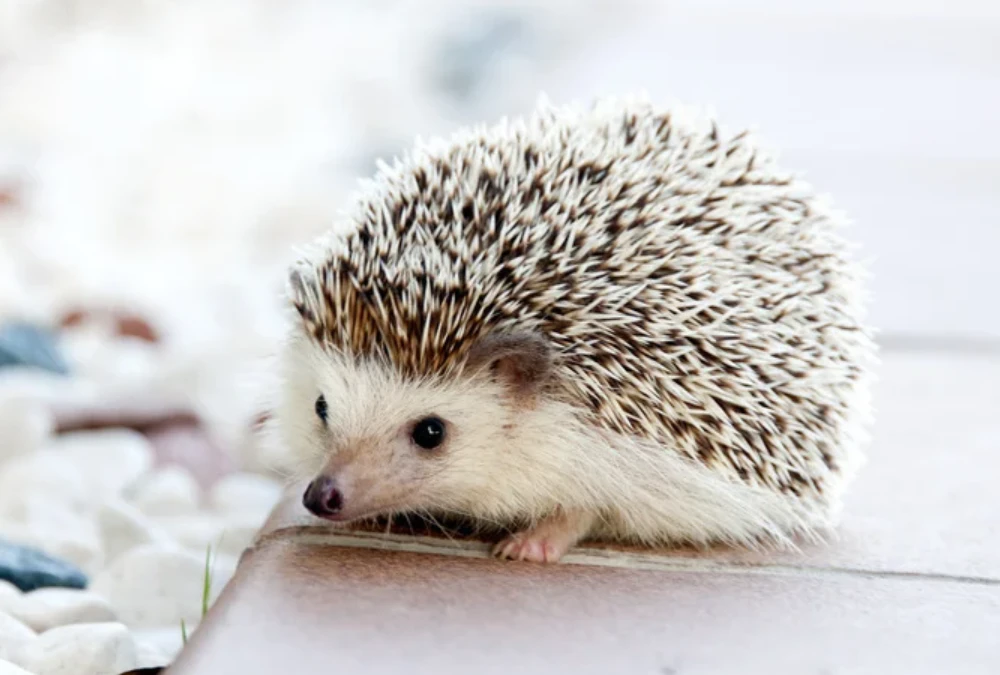
Hedgehogs are one of the more unusual pets on this list, and they’re genuinely not for everyone, but for the right person in the right situation, they’re delightful. They’re small, solitary, nocturnal, and once they trust you, they’ll uncurl and shuffle around your hands with complete comfort. They don’t need companionship from other animals; they don’t make much noise, and their care routine is simple once established.
The honest caveat upfront: hedgehogs are more fragile than they look, prone to several health issues as they age (tumours, dental disease, obesity), and require an exotic animal vet. They also have a shorter lifespan than most pets on this list, 3–6 years on average. And critically, they are illegal to own in several US states; see below.
- Daily Time: 10–15 min feeding + check
- Activity: Nocturnal; active evenings/nights
- Temperature: 72–80°F required (needs heat)
- Lifespan: 3–6 years
Real Monthly Cost
| Item | Cost |
| Hedgehog food / high-quality low-fat cat food | $10–15 |
| Live/dried insects (mealworms, crickets — weekly treats) | $5–10 |
| Paper-based bedding (full weekly change) | $8–15 |
| Electricity — heat source (required year-round) | $5–10 |
| Annual exotic vet exam (÷ 12) | ~$5–8 |
| Estimated monthly total | $30–60 / month |
Sources: Vety 2026; SpectrumCare (March 2026); The Vet Desk (Jan 2026). Setup: $250–400 one-time.
Check legality before buying — this matters: hedgehogs are illegal to own in California, Georgia, Hawaii, and Pennsylvania, and in Washington, D.C., and New York City's five boroughs. New Jersey and Wisconsin require a permit. Always verify with your state's fish and wildlife agency or local animal control before purchase.
Temperature is non-negotiable: hedgehogs require ambient temperatures of 72–80°F (22–27°C) at all times. If the temperature drops below 65°F, they can enter a dangerous torpor-like state that mimics hibernation but can be fatal. A thermostatically controlled ceramic heat emitter or heating pad is essential, especially in cooler climates or draughty apartments.
Getting started with handling: hedgehogs are defensive at first and will ball up and huff at you for the first several handling sessions. Don’t force it. Wrap them in a small fleece blanket, let them uncurl on their own schedule, and work up to direct hand contact gradually over days. Most hedgehogs tame well with patience. Wearing light gloves for the first few sessions protects your hands from the quills.
Full Comparison: All 8 Picks
| Pet | Best For | Monthly Cost | Setup Cost | Daily Time | Lifespan | Beginner? |
| Betta Fish | Anyone, tiny spaces | $7–23 | $80–250 | ~2 min | 2–5 yrs | Yes |
| Syrian Hamster | Busy evenings, small spaces | $15–30 | $100–250 | ~5 min | 2–3 yrs | Yes |
| Leopard Gecko | Occasional travel, reptile fans | $30–60 | $160–300 | ~5–10 min | 15–20 yrs | Yes |
| Guinea Pigs (pair) | Social, daytime companionship | $40–80 | $200–400 | ~15–20 min | 5–7 yrs | With research |
| Rabbit | Real pet bond, evenings home | $60–100 | $300–600 | ~20–30 min | 8–12 yrs | With research |
| Budgie (pair) | Interactive, apartments | $30–60 | $150–300 | ~10–15 min | 5–10 yrs | Yes |
| Corn Snake | Travellers, hands-off care | $20–46 | $200–350 | ~5 min check | 15–20 yrs | Yes |
| Hedgehog | Solo owners, night owls | $30–60 | $250–400 | ~10–15 min | 3–6 yrs | With patience |
Monthly costs are ongoing averages covering food, bedding/substrate, consumables, and a pro-rated vet fund. Setup costs cover the enclosure and essential equipment. Does not include emergency vet visits. All figures are in USD. Hedgehog: verify legality in your state/city before purchase.
The Honest Part
Cats and dogs are not on this list for a reason. Dogs need you home regularly, need outdoor time, and need training. That’s not low maintenance by any definition. Cats are independent, but they do need daily care, enrichment, and regular vet visits.
Any pet becomes high-maintenance if you get the setup wrong. A hamster in a tiny cage is a miserable, stressed animal. A betta in a bowl with no filter dies in months instead of years. A gecko without a thermostat can get burns. The right equipment upfront prevents most of these problems; don’t cut corners on the enclosure.
Emergency vet costs are real. Even “low-maintenance” pets can get sick suddenly. Hamsters get a wet tail. Geckos develop metabolic bone disease. Guinea pigs get GI stasis. Rabbits need to be spayed/neutered. Hedgehogs develop tumours. Keep a dedicated pet emergency fund before you bring any animal home; ideally, $300–500 minimum, depending on the animal.
Lifespan is the most underestimated factor. A leopard gecko or corn snake can live 20 years. A budgie can reach 15. A rabbit lives 12 years. A guinea pig lives 7 years. These aren’t casual commitments. Before you fall in love at the pet store, sit with the question: “Where will I be in 10 years, and can this animal come with me?” If you genuinely want a shorter commitment, choose a hamster (2–3 years) or a betta (2–5 years).
Conclusion
For someone starting from scratch and wanting something genuinely simple: start with a betta fish ($7–23/month). Beautiful, calming, and the ongoing care takes 15 minutes a week once the tank is properly set up.
If you want something you can actually handle and interact with on a budget: a hamster (15–30/month) or corn snake (20–46/month — the cheapest ongoing cost of any hands-on pet on this list).
If you want social, daytime companionship, guinea pigs (40–80/month) or budgies (30–60/month). Both are awake when you’re home and genuinely respond to your presence.
If you want a real long-term companion animal that bonds like a cat, a rabbit (60–100/month), or a leopard gecko (30–60/month). More commitment, more reward.
If you want something unusual and don’t mind a nocturnal schedule: a hedgehog ($30–60/month), but verify your state’s laws first.
Before you bring anyone home, print the New Pet Setup Checklist and work through it — it covers the vet, the budget, the heating equipment, and everything people forget on day one. And if the pet is for a child, read Easy Pets for Kids to Care For, by Age first; it’s more honest than most guides.
FAQ
What is the lowest maintenance pet overall?
A betta fish in a filtered, heated five-gallon tank. Roughly two minutes a day
to feed, a 25% water change once a week, and no smell, no noise, and no
handling required.
Can I leave a low-maintenance pet alone for a weekend?
A corn snake or a betta, yes — with an automatic feeder for the fish if you’re
away more than two or three days. Guinea pigs, rabbits and budgies need someone
checking in daily.
What is the cheapest pet to own each month?
A betta fish ($7–23/month), then a Syrian hamster ($15–30) and a corn snake
($20–46). Rabbits and guinea pigs cost considerably more, mostly in food and
bedding.
Are hamsters good pets for children?
Usually not for young children. They’re nocturnal, they startle easily, and
they live only two to three years. Better first pets for kids are a betta with
an adult handling the maintenance, or a family cat.